Most bees never travel more than half a mile from their nest their entire lives.
That single fact changes everything about how we think about gardening for wildlife. It means your yard doesn’t exist in isolation. It exists in a web. And whether that web supports life or starves it depends on what you and your neighbors choose to plant.
The problem with isolated gardens
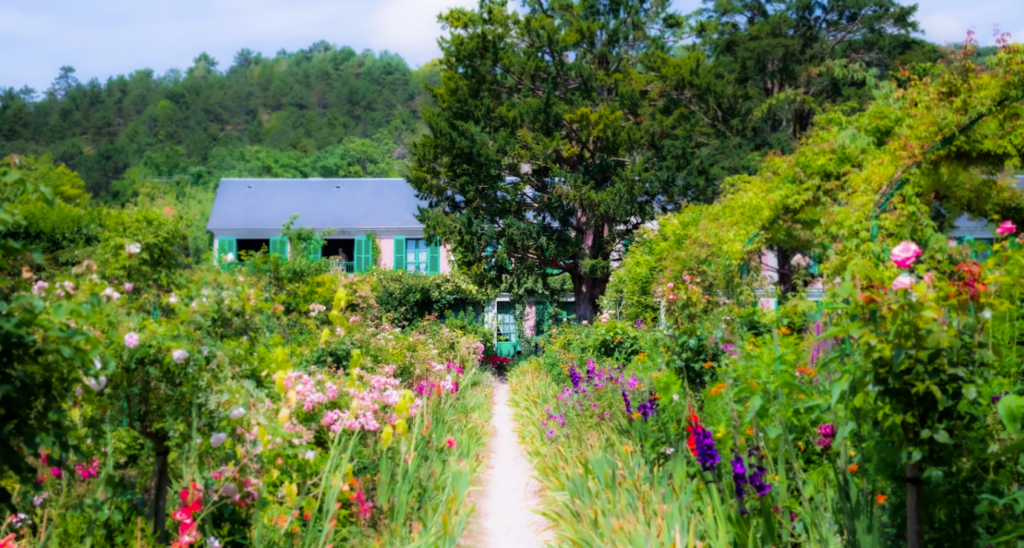
A single pollinator garden is an oasis in the middle of a desert. It helps the bees that find it, but most bees will never find it because they never travel far enough, and the landscape between gardens is often a wasteland of mowed grass, pavement, and ornamental plants that feed nothing.
This is what ecologists call habitat fragmentation. Pollinators need connected corridors of habitat to move through, find mates, and establish new colonies. When those corridors are broken up by miles of lawn, populations collapse.
The good news is that the solution is remarkably simple.
What a pollinator highway actually is
It’s not a formal project. It’s not a permit or a committee. It’s just a series of connected gardens, yours, your neighbor’s, the one down the street, that together create an unbroken corridor of food and habitat.
Bees, butterflies, and other pollinators can move through a neighborhood that has even modest plantings every few hundred feet. They find nectar. They find pollen. They find host plants for their eggs. The population stabilizes and grows.
You don’t need everyone on your street to participate. Research suggests that even partial connectivity, gardens every few properties, dramatically improves pollinator survival compared to isolated plantings.
How to start one
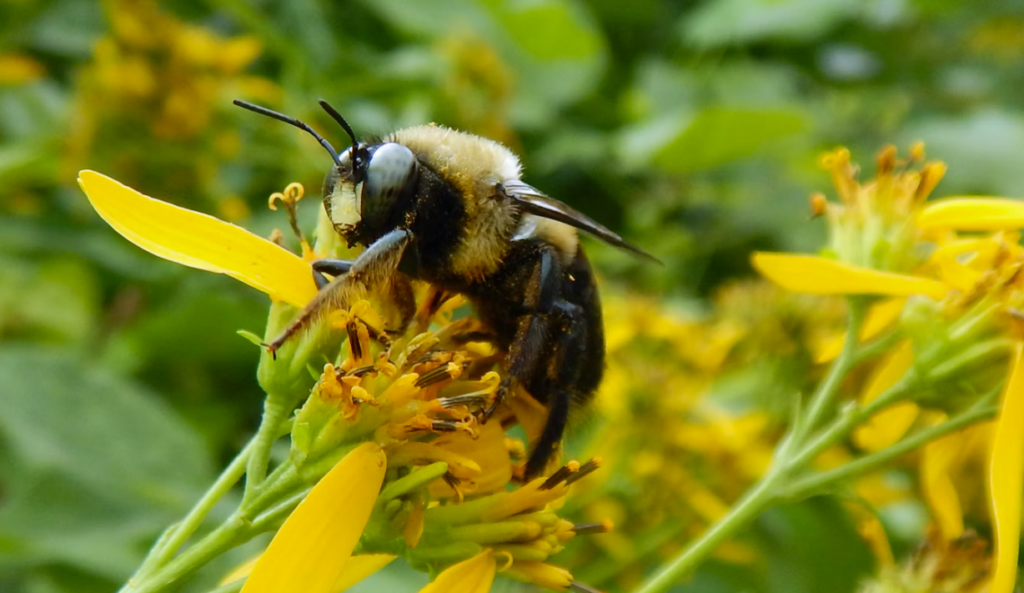
Start with your own yard. You can’t build a highway from nothing. Get your own native plants established first. Even a small patch, a few square feet of coneflower, wild bergamot, and black eyed susans, is enough to begin.
Talk to your neighbors. This is the part most people skip. It doesn’t have to be a big conversation. Show them your garden. Tell them what you’re doing and why. Share some seeds or divisions from plants that have spread. Most people want to help wildlife — they just don’t know what to plant.
Share plants deliberately. Native plants that spread easily are your best tools for building the highway quickly. Coneflowers self-seed readily. Wild bergamot spreads by rhizome. Black eyed susans multiply fast. Start extras in pots and give them away. Every plant you share extends the corridor.
Think in corridors, not patches. When you’re choosing where to plant, think about connectivity. A strip of native plants along your fence line connecting to your neighbor’s garden is more valuable than an isolated bed in the middle of your yard. Edges and borders are your highway lanes.
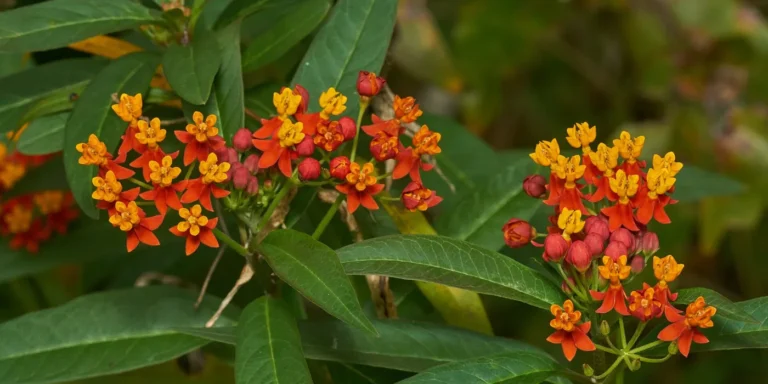
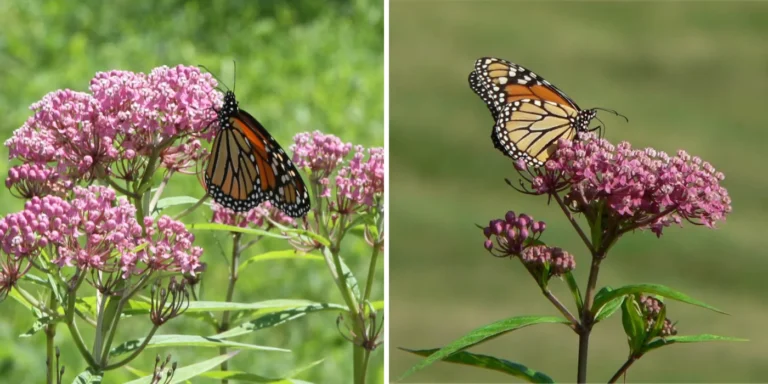
Include host plants, not just nectar plants. Nectar feeds adult pollinators. Host plants, like milkweed for monarchs, native violets for fritillary butterflies, parsley for swallowtails, are where eggs are laid and caterpillars feed. A highway needs both fuel stops and places to live.
What to plant
The best plants for a pollinator highway are natives that bloom in succession from early spring through late fall, so the corridor never goes dark.
Early spring bloomers: Virginia Bluebells, Wild Columbine, Trout Lily.
Late spring bloomers: Wild Geranium, Penstemon, Golden Alexanders Summer: Wild Bergamot, Coneflower, Milkweed, Black Eyed Susan
Late summer bloomers: Joe Pye Weed, Ironweed, Native Sunflowers Fall: Goldenrod, Native Asters, Witch Hazel
Every region has its own native palette. Find your local native plant society for specifics. They often hold plant sales in spring with everything you need to get started.
The bigger picture
There are 63,000 square miles of lawn in the United States. Almost none of it feeds a pollinator. If just 1 in 100 lawns converted even a corner to native plants, we’d create hundreds of square miles of connected habitat overnight.
You can’t control what the whole country does. But you can plant your yard. You can talk to your neighbor. You can share a coneflower division over the fence.
That’s how you build a highway. One garden at a time, one conversation at a time.
The bees are waiting.