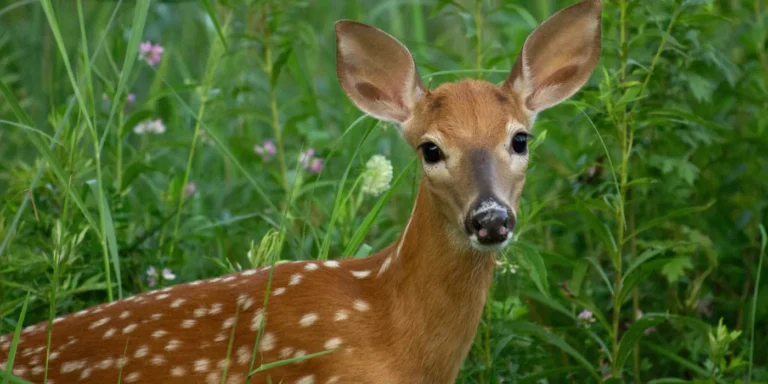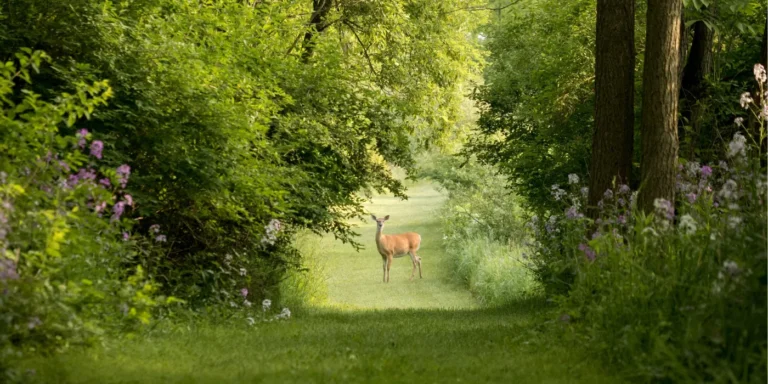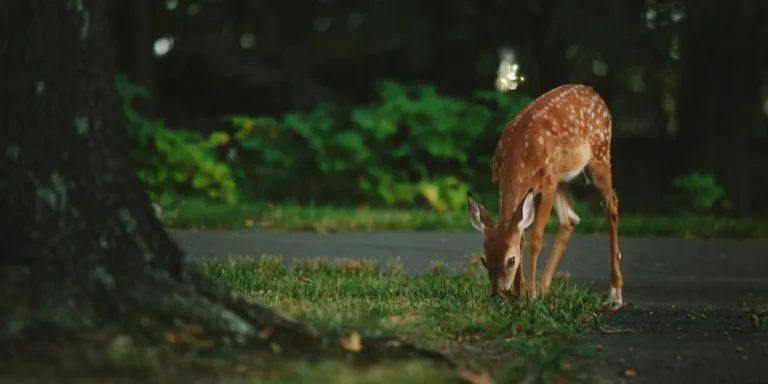
White-tailed deer are built for winter. They enter the cold season carrying stored body fat, their metabolism slows to conserve energy, and they shift their diet to whatever woody material is still accessible above the snow line.
A healthy deer entering winter can lose 20 to 30 percent of its body weight over the season and recover when spring growth returns. This is normal. This is how deer have survived for thousands of winters without our help.
What deer eat in winter is a practical question with a straightforward answer, but it comes with a caveat about feeding that’s worth understanding before you head to the feed store.
The Winter Diet: Woody Browse, Mostly
When fall’s acorns and forbs are gone and snow covers the ground, deer shift almost entirely to browse, the buds, twig tips, and bark of woody plants. According to research from the Caesar Kleberg Wildlife Research Institute at Texas A&M, browse makes up roughly 46 percent of a white-tailed deer’s annual diet across all seasons. In winter, that proportion increases sharply as other food sources disappear.
The specific plants deer target vary by region, but common preferred species include maple, oak, dogwood, sassafras, sumac, and dogwood twigs and buds. Where conifers are available, deer will eat white cedar, hemlock, and even pine needles. The Michigan DNR’s forest foods guide notes that deer browse primarily from ground level to about five feet in height, working through the accessible twig tips of shrubs and low branches systematically.
This isn’t a nutritionally rich diet. These are survival foods, providing enough carbohydrates and fiber to keep a deer’s rumen functioning and its body running on the stored fat reserves it built up in fall. The Mississippi Department of Wildlife, Fisheries, and Parks describes browse and forbs as providing over 80 percent of the deer diet across most seasons, which helps explain why wooded habitat with diverse native understory matters so much to deer populations in winter.
In areas near agricultural land, deer will also forage on unharvested or waste grain from crop fields, which provides a higher-energy supplement to their browse diet. In more southern regions where winters are mild, green vegetation may persist much longer and deer can maintain a more varied diet well into January or February.
The Gut Adjustment That Makes Corn Dangerous
Here’s the thing that surprises most people: deer can’t just eat anything in winter. Their digestive system adapts along with their diet.
Deer are ruminants with a complex four-chambered stomach. The microorganisms in their rumen, the bacteria and protozoa responsible for breaking down plant fiber, adjust their composition based on what the deer is regularly eating. Through fall, as deer shift toward increasingly fibrous foods, the microbial population in their gut changes to match.
When a deer that has been eating twigs and bark suddenly encounters a pile of high-starch corn or rich alfalfa hay, the rumen microorganisms are the wrong ones for the job. The result can be grain overload, a condition called enterotoxemia, where rapid fermentation of starch produces acid that kills rumen bacteria. Montana State University Extension describes the mechanism clearly: feeding deer hay or corn can kill them because their digestive system may not be able to handle the sudden shift. Tufts Wildlife Clinic echoes this: even hay, which seems innocuous, can disrupt a digestive system that has fully geared down for winter.
The deer that are in the worst condition entering winter are the most vulnerable. A well-nourished deer might survive a sudden diet change. A deer that’s been struggling may not. Ironically, the deer that seem most in need of supplemental food are often the ones for whom it poses the greatest risk.
Beyond the digestive issue, concentrated feeding sites create congregation. Deer that would normally spread out across a landscape to browse come together in artificial density at a food pile. The Minnesota DNR notes that tight concentrations dramatically increase the odds of spreading chronic wasting disease and other infections through nose-to-nose contact and shared saliva on food. This is not a small concern. Many states restrict or prohibit supplemental deer feeding specifically because of CWD transmission risk.
What Actually Helps Deer in Winter
If you want to support deer populations through winter, the most durable approach is habitat management rather than feeding. Deer need access to dense conifer cover for thermal protection, diverse native shrubs and browse species, and mast-producing trees like oaks that carry acorns through fall. These are conditions built over years, not weeks.
For homeowners and gardeners, this connects directly to what you plant. Native shrubs and trees like dogwood, sumac, viburnum, and serviceberry provide both summer habitat value and winter browse. Native plants that deer don’t eat are a useful category for gardens, but it’s worth knowing that deer avoiding something ornamental in your beds doesn’t mean they don’t need browse in the surrounding landscape.
Leaving brush piles, woody debris, and dense native understory intact provides both shelter and accessible food. A brush pile offers thermal cover for deer bedding and, if it includes suitable species, winter browse directly accessible at the site. This is a different thing from putting out corn: it’s creating conditions that work with deer biology rather than against it.
If You’re Still Thinking About Feeding
If you live in a state where feeding is legal and you feel strongly about providing winter support, the National Deer Association’s guidance is worth reading in full. Their recommendation: if supplemental food is offered at all, introduce it gradually over at least two weeks before providing unlimited access, use dispersed feeding points rather than a single pile, and avoid pure corn or high-protein alfalfa as primary feeds. Their analysis is direct: the worse a deer’s condition when it encounters new food, the more likely it is to die from it.
For most backyard situations, the better approach is leaving feeders empty and focusing instead on the kind of habitat that supports deer through every season, not just the one when they’re most visible from the kitchen window. Deer have been figuring out winter for a very long time. What they need from us is mostly just intact habitat, and occasionally, for us to get out of the way.
FAQ
Do deer eat bark in winter? Yes, particularly from young trees and shrubs when other food is scarce. Bark provides fiber and some nutrients but is generally lower in energy than twig tips and buds. Deer stripping bark from young saplings is a common winter sign of heavy deer pressure in an area.
Is it illegal to feed deer in winter? In many states, yes, particularly where chronic wasting disease is present. Check your state wildlife agency’s regulations before putting out any food. Some states ban supplemental deer feeding year-round; others allow it under specific conditions.
What plants can I grow that deer will use as winter browse? Dogwood, native viburnums, sumac, hawthorn, and serviceberry are among the browse species deer prefer in winter. These also have high habitat value for birds and other wildlife throughout the year.
Will deer starve without supplemental feeding? Healthy deer populations are generally adapted to survive on natural browse through normal winters. Severe winters with unusually deep and persistent snow can stress deer populations, but supplemental feeding in those situations is best left to wildlife agencies that can do it safely and systematically. Individual pile feeding by homeowners carries more risk than benefit in most cases.
Why are deer in my yard eating my shrubs in winter? Natural browse in your area may be depleted, or deer may have concentrated in suburban areas where food and lower predator pressure make it attractive. Deer-resistant native plants can reduce browsing pressure on ornamentals you want to protect.