The paper towel question comes up constantly in composting conversations, and the answer manages to be both simple and slightly more complicated than people expect. Yes, you can compost most paper towels. But “most” is doing some real work in that sentence.
The short version: if a paper towel got wet with water, wiped up food scraps, blotted fruit, or dried your hands, it can go in the compost pile. If it’s soaked in cleaning products, grease, or chemical disinfectants, it should go in the trash. That’s the whole rule, more or less. The rest of this article is just understanding why.
Why This Is Worth Caring About at All
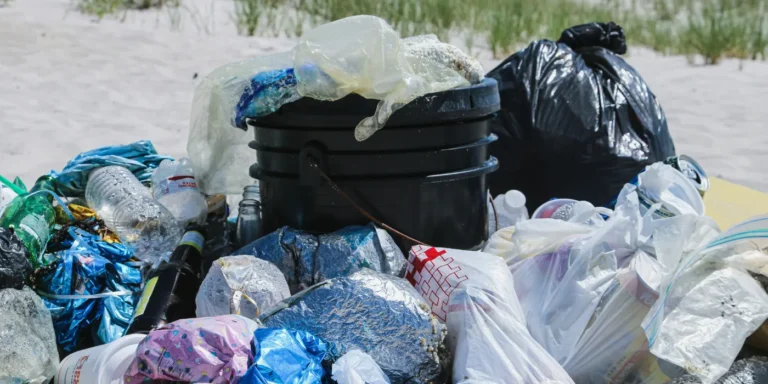
Americans generate an estimated 3,000 tons of paper towel waste every single day. The U.S. consumes nearly half the world’s paper towel supply, and none of it is recyclable — not a single sheet, regardless of what the packaging implies. Once a paper towel is used, the EPA has confirmed there’s essentially no significant recovery pathway for it. It goes to a landfill, where it breaks down and releases methane — a greenhouse gas considerably more potent than CO2 in the short term.
Composting won’t fix that system-level problem. But it does reroute something that would otherwise generate emissions in a landfill and instead turns it into something that actively improves your soil. That’s a genuine trade-up for about two seconds of effort per day.
What Paper Towels Actually Are (And Why They Break Down)
Paper towels are made from wood pulp — essentially processed plant fiber. That’s the same basic material as leaves, cardboard, and newspaper, all of which are standard compost ingredients. In composting terms, paper towels count as a “brown” material, meaning they’re carbon-rich. A healthy compost pile needs both carbon-rich browns (paper, leaves, cardboard) and nitrogen-rich greens (food scraps, coffee grounds, fresh grass clippings). Most home composters don’t have enough browns, so paper towels are actually a useful addition, not just a disposal workaround.
A paper towel breaks down in roughly two to six weeks in an active pile. Tearing them into smaller pieces speeds that up considerably — more surface area means more contact with the microbes doing the work.
The Real Question: What Was on the Paper Towel?
This is where it gets practical. The paper towel itself is almost always fine. What trips people up is what was absorbed into it.
Safe to compost: Paper towels used to dry hands, blot washed produce, wipe up water spills, clean up food scraps, blow your nose (as long as you’re not sick with something contagious), or wrap fruits and vegetables. Basically anything organic and not chemically treated.
Skip the compost bin for these: Paper towels soaked in cleaning products, disinfectants, bleach-based sprays, or anything labeled antibacterial. The chemicals don’t disappear just because the paper breaks down — they can kill the beneficial microbes your compost depends on to function. A dead compost pile smells bad and stops working. Same goes for paper towels that wiped up heavy grease, cooking oil, or meat residue. Fats create an anaerobic environment in the pile, cut off airflow, attract pests, and generally cause problems out of proportion to what they contribute.
One that surprises people: even “natural” or plant-based cleaning sprays can disrupt compost biology if the concentrations are high enough. When in doubt, trash it.
What About the Bleach? Isn’t That a Problem?
Most paper towels are bright white because they’ve been bleached. This is probably the most common concern people raise, and the answer is a little more nuanced than either “totally fine” or “definitely dangerous.”
According to compost researchers, the chlorine dioxide used in bleaching breaks down quickly in the environment and doesn’t accumulate in finished compost in any meaningful way. It won’t measurably change your pile’s pH or harm your garden soil. That said, the bleaching process itself — before the paper towel ever reaches your hand — does generate dioxin residues and releases chemical byproducts into air and water during manufacturing. So the environmental concern with bleached paper towels is more upstream than in your compost pile.
If you want to avoid the issue entirely, unbleached paper towels exist and compost just as well — often faster, since they retain more lignin (the natural structural compound in wood) that feeds soil organisms over time. Worth knowing if you’re shopping for a new brand anyway.
How to Actually Do This
It doesn’t need to be complicated. Keep a small container near your kitchen compost bin — or just make a habit of sorting before you toss. When you pull a paper towel off the roll to wipe up something, take two seconds to decide: water, food, or hand-drying? Compost. Cleaning spray or cooking grease? Trash.
Tear them up before adding them, especially if your pile runs on the drier side. This helps them incorporate rather than sitting in a mat on top. If you’re adding a lot at once, mix them in rather than layering them — paper can clump and slow airflow if it piles up.
If you don’t have a backyard compost pile, this still applies. Many cities with curbside organics collection accept paper towels in the food scrap bin. Check your local program — most do, as long as the towels aren’t contaminated with chemicals.
This Fits Into Something Bigger
Composting paper towels is a small habit. But it connects to a broader shift in how you think about what goes in the trash versus what can go back into the ground. Fallen leaves are another thing most people bag and discard that actually belong in the compost or back in the yard — same principle, larger scale.
The soil in most suburban yards is depleted from decades of bagging, blowing, and discarding anything organic. Compost is one of the simplest ways to rebuild it. And if you’re growing anything — a vegetable garden, native plants, even a single serviceberry tree — healthy soil is the foundation everything else depends on. A compost pile that includes your paper towels, food scraps, and yard waste produces something genuinely useful, not just a way to feel better about your trash.
The paper towel itself is worth using less of when you can — a reusable cloth for most tasks, a paper towel when you actually need one. But when you do use one, composting it instead of throwing it away takes the same amount of effort as not composting it. That’s a rare situation in environmental action. Most things require some trade-off. This one really doesn’t.
Frequently Asked Questions
Can you compost paper towels with food on them? Yes, in most cases. Paper towels used to wipe up plant-based foods, fruits, vegetables, or food scraps are fine. The exception is paper towels saturated with meat juices, dairy, or heavy grease — those are better off in the trash to avoid attracting pests and disrupting your pile.
Can you compost paper towels used with cleaning products? No. Cleaning product residue — even plant-based or “natural” formulas — can kill the beneficial microbes your compost needs to function. If the paper towel was used with any kind of spray cleaner, disinfectant, or chemical product, put it in the trash.
Do paper towels count as greens or browns in compost? Browns — they’re carbon-rich, like cardboard or dry leaves. If your pile feels too wet or is running slow, paper towels are a useful addition to help balance things out.
What about paper towels from a public restroom or workplace? Same rules apply, but realistically most workplaces don’t have compost collection. If yours does, clean hand-drying towels are generally acceptable. Check your local program’s specific guidelines.
How long do paper towels take to break down in compost? Roughly two to six weeks in an active, well-maintained pile. Tearing them into smaller pieces before adding them speeds up the process.