Honeybees need water for more than just drinking. They use it to cool the hive, dilute honey for consumption, and prepare food for larvae. On a hot summer day, a strong colony may need close to a quart of water, and dedicated water-foraging bees can make 50 to 100 trips to collect it, according to Betterbee’s beekeeping resources. These are bees that spend their entire foraging career ferrying water back and forth. Not nectar, not pollen. Water.
The problem is that bees will find water wherever they can, and their preferred sources are often inconvenient for everyone involved: swimming pools, leaky hoses, puddles, birdbaths with steep sides. And here’s the thing about birdbaths and open water: bees can’t swim. They need something to land on.
Why Bees Drown in Standard Water Features
A bee doesn’t land directly on water. Its wings and legs are not adapted for swimming, and open water with no perch is a drowning trap for small insects. Bees look for something to grip at the water’s edge, which is why you see them clustering around dripping faucets, mossy rocks at pond edges, and the rim of a pet dish rather than the center of a birdbath.
Give them nothing to land on, and the ones that fall in can’t get out. This is why conventional birdbaths, despite being full of water, aren’t particularly useful to bees and can actively harm them.
The fix is straightforward. Provide a shallow water source with objects sticking up above the surface so bees can land, walk to the water’s edge, and drink safely.
How to Build a Drown-Proof Bee Waterer
You probably have everything you need already. Here’s the basic setup:
What you need:
- A shallow container (a pie dish, a terracotta saucer, a plant tray, or any wide, shallow bowl)
- Pebbles, marbles, river rocks, wine corks, or small sticks
- Clean water
The build: Fill the container with your landing material to a depth of an inch or two, then add water until most of the pebbles are submerged but the tops of many still stick above the waterline. Those protruding tops are the landing pads. Bees will perch on the dry surfaces and extend their proboscis down to the water to drink.
The container should be no deeper than about two inches, or filled with enough pebbles to keep the water depth minimal. The goal is to eliminate the risk of a bee falling into water too deep to escape.
That’s genuinely all it is. The elegance of this project is that it’s hard to get wrong.
Placement and Upkeep
Where you put it matters more than most people expect. Bees communicate water sources back to the hive using the same waggle dance they use for nectar, so once they find your waterer, they will return to it reliably and tell other bees. The implication is that you want to establish your waterer before bees get stuck commuting to a neighbor’s pool, because changing an established water foraging route is difficult. Getting the waterer in place by late spring, before hot weather peaks and demand surges, is ideal.
Placement near flowers helps with discovery, since bees are already foraging in those areas. Partial shade helps keep the water from evaporating too quickly on hot days. Keep it away from areas where you’re applying pesticides or herbicides, because bees can absorb chemicals through contaminated water.
This connects to something worth saying plainly: if you use broad-spectrum pesticides in your yard, a bee waterer isn’t going to offset that. Pesticide exposure is one of the genuine threats to bee populations, and a clean water source helps most in a yard that’s otherwise trying to support pollinators.
Refresh the water every few days and do a proper rinse of the container once a week or so to prevent algae buildup and mosquito breeding. Standing water in containers is exactly where mosquitoes lay eggs, so this isn’t optional. If you use large flat stones or gravel rather than small pebbles, the container is easier to dump and refill quickly.
One thing to avoid: do not add honey or sugar to the water. Both ferment, attract pests, and can harm bees. Plain fresh water is what they need.
A Note on Scent
Research on bee water-foraging behavior suggests that bees find water primarily by scent rather than sight, and they tend to prefer water that has some earthy odor over perfectly clean tap water. Some beekeepers add a very small pinch of salt to their waterers to make them more attractive to bees, since bees appear to be drawn to low-concentration mineral water. This isn’t required, but it may help your waterer get discovered faster, especially in an area already competing with other sources. Once a few bees have found and committed to your waterer, the scent issue sorts itself: the returning water foragers bring trace mineral compounds back, and the location gets communicated through the hive.
What This Does for the Broader Yard
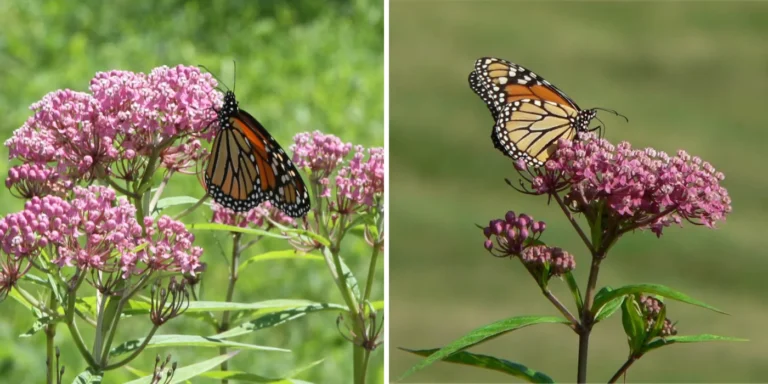
A yard with a reliable, safe water source supports more than just honeybees. Native bees, butterflies, and beneficial wasps also need water and will use a well-placed waterer. Many native bee species are smaller than honeybees and drown even more easily in conventional water features, making the pebble-based shallow waterer particularly useful for them.
The same logic of providing landing surfaces applies to butterflies, which often puddle in wet sand and gravel to drink and absorb minerals. A shallow tray with sand kept consistently damp serves butterfly needs well alongside a pebble-based bee waterer.
If you’ve already planted natives to support pollinators and left your leaf litter in place for overwintering insects, adding a waterer is a small addition to a functioning habitat rather than a standalone gesture. But even on its own, it fills a real gap. Bees that don’t have to commute far for water have more energy for everything else, and that matters for the whole pollinator picture in your yard.
FAQ
How often should I refill the bee waterer? In hot weather, daily. In mild weather, every two to three days. The main goal is keeping water fresh enough to prevent mosquito larvae from developing, which typically takes four to seven days in standing water. Regular refreshing prevents that.
Will a bee waterer attract wasps or hornets? Wasps and yellowjackets also need water and may use the same waterer. This isn’t a safety issue for the waterer itself, but if you have concerns about wasps near sitting areas, place the waterer away from where people gather.
Can I use a birdbath instead of building something new? Yes, with modifications. Add pebbles or large flat rocks to the birdbath so bees have landing surfaces. Without those, a birdbath is more of a drowning hazard than a water source for small insects.
Do native bees need water the same way honeybees do? Yes, though native solitary bees don’t have the same hive-cooling needs as honeybees. They still need water for drinking and larval food preparation. Smaller native species are particularly vulnerable to drowning, so the shallow, pebble-based design serves them well.
Should I put the waterer near my flowers? Yes, it helps with discovery. Bees are already foraging near flowers and are more likely to encounter the waterer there. Keep it within a reasonable distance of wherever you see the most pollinator activity in your yard.