Fall is when most people stop thinking about butterflies. The garden is winding down, the colorful summer species are gone, and it’s easy to assume the season for helping pollinators has passed.
It hasn’t. For many butterfly species, fall is one of the most critical periods of their year — and what happens in your yard during these weeks has direct consequences for whether those butterflies survive to the following spring.
The scale of the problem
A landmark study published in Science in March 2025 analyzed data from over 76,000 surveys across the United States and found that butterfly abundance has fallen by 22 percent since 2000. One in five butterflies, gone in two decades. Two-thirds of studied species showed declines of more than 10 percent. 107 species declined by more than half.
Monarchs have drawn the most attention. The western monarch population hit a near-30-year low in 2024, down 96 percent from the previous year. The U.S. Fish and Wildlife Service proposed listing monarchs as threatened under the Endangered Species Act in December 2024. The eastern population showed a welcome 99 percent increase in the 2024–2025 overwintering season, but it occupies just 1.79 hectares — still far below what scientists consider a stable population.
The causes are familiar: habitat loss, pesticide use, and climate change. All three operate at scales beyond any individual garden. But the lead researchers on the 2025 Science study were direct about what individuals can do: reduce pesticide use and restore native plant habitat, starting in your own yard. Fall is a significant opportunity to do exactly that.
1. Keep late-season nectar sources in the ground
The fall nectar window is the one most butterfly gardens miss entirely.
Migrating monarchs traveling south need to build fat reserves for thousands of miles of flight and weeks of overwintering. Other species need to fuel up before entering diapause — the metabolic slowdown that gets them through winter. For all of them, late-season nectar isn’t a bonus. It’s survival.
Native asters (Symphyotrichum spp.) and goldenrod (Solidago spp.) are the two most important fall nectar sources across most of North America. They bloom from late summer through October, they support dozens of specialist bee species alongside butterflies, and they’re among the easiest native perennials to establish. If you’re not growing them, they’re the single highest-value addition you can make to a fall butterfly garden.
Other strong late-season options include native ironweed (Vernonia), joe-pye weed (Eutrochium), and witch hazel for those in wooded settings. The guiding principle: something needs to be blooming in your yard from August through hard frost, and it should be native.
This is also why understanding host plants versus nectar plants matters. Nectar plants bring butterflies in to feed. The fall nectar window is when that distinction has the most immediate life-or-death consequences for migrating species.
2. Don’t cut everything back
This is the fall butterfly intervention with the highest return for the least effort: simply stop.
Many butterfly species overwinter as eggs, pupae, or adults in standing plant material and leaf litter. Swallowtail chrysalises attach to plant stems. Question marks and eastern commas overwinter as adults tucked into bark crevices and brush. Fritillaries overwinter as tiny first-instar caterpillars in the leaf litter beneath native violet plants.
A fall cleanup that removes all stems, cuts all perennials to the ground, and rakes all leaves sends those overwintering stages to a landfill.
The better approach is to leave standing stems and perennial structure through winter. Cut back in late March or early April, once overnight temperatures are reliably above 10°C (50°F) and overwintering insects have had time to complete development and emerge. This is also why leaving leaves in your garden beds benefits the whole suite of insects that overwinter in the leaf layer — fireflies, ground beetles, native bees, and dozens of butterfly and moth species all depend on it.
If a tidy appearance matters to you, the practical compromise is to cut back the front beds and high-visibility areas while leaving less visible back beds and borders standing through winter. Any standing structure is better than none.
3. Leave the leaves
Fallen leaves deserve their own mention because the impulse to bag them is so strong and the ecological cost is so high.
Leaf litter is overwintering habitat. It’s insulation for soil during temperature swings. It’s the decomposing organic matter that feeds soil fungi and bacteria that native plants depend on. And it’s where many butterfly caterpillars and pupae spend the winter, invisible inside what looks like garden debris.
If leaves fall on the lawn, rake them into garden beds rather than bagging them. A few inches of leaf mulch in a planting bed does everything a purchased mulch does — and provides habitat that purchased mulch does not. The same leaves that feel like a chore in October are doing active ecological work through March.
4. Leave fallen fruit
Several butterfly species, including red admirals, question marks, and eastern commas, supplement their diet with fermenting fruit in late summer and fall. They’re not primarily nectar feeders as adults — they’re drawn to the sugars in overripe apples, pears, and berries that have fallen to the ground.
If you have fruit trees or berry-producing shrubs, leaving some fallen fruit on the ground through October provides an additional food source for these species during the critical pre-overwintering period. It requires no additional planting and costs nothing. Moderate amounts are fine; large piles that attract other pest animals are unnecessary.
5. Stop pesticide use now — and ideally, permanently
The 2025 Science study identified pesticide use as one of the three primary drivers of butterfly decline. A 2024 study specifically linked insecticide use to butterfly declines in the Midwest, finding that prophylactic seed treatments — insecticides applied to crops before any infestation exists — coincided with significant drops in butterfly populations.
At the garden scale, the mechanism is direct. Broad-spectrum insecticides kill butterfly caterpillars at every life stage. They kill the parasitic wasps and predatory insects that control pest populations. And systemic insecticides absorbed into plant tissue are expressed in pollen and nectar, meaning a butterfly visiting a treated flower may be ingesting insecticide.
Fall is when many butterflies are most vulnerable — low-energy, fueling up for migration or winter, with no margin for additional metabolic stress. Removing pesticide exposure from your yard during this window matters.
If pest pressure in your garden has historically driven pesticide use, the longer-term answer is a native plant garden that supports the natural predator community. Native plantings support the beetles, wasps, and other insects that control pest populations biologically — which is why native plants so dramatically outperform ornamental alternatives for wildlife support at every trophic level.
6. Create or expand natural spaces
The big picture behind all of these actions is the same: butterflies need habitat, and most suburban and urban landscapes have replaced their habitat with maintained turf and ornamental plantings that support almost nothing.
Brush piles, unmowed patches of native grasses, rock piles, dense shrubs, and leaf litter areas all function as butterfly habitat. None of them require significant labor or expense. What they require is tolerance for a less manicured appearance and an understanding of what “messy” is actually doing.
Building a brush pile in a corner of your yard creates overwintering cover for butterflies, moths, small mammals, and amphibians simultaneously. Leaving a strip of native grass unmowed provides both overwintering structure and the host plants many grass-feeding butterfly species require.
The rewilding your yard framework is the underlying principle here: carving out portions of your yard for natural function rather than visual tidiness. You don’t have to convert everything. Even 10 or 20 percent of a typical suburban lot, managed for wildlife rather than appearance, makes a meaningful difference for the species using your neighborhood as habitat.
What fall looks like for the major species
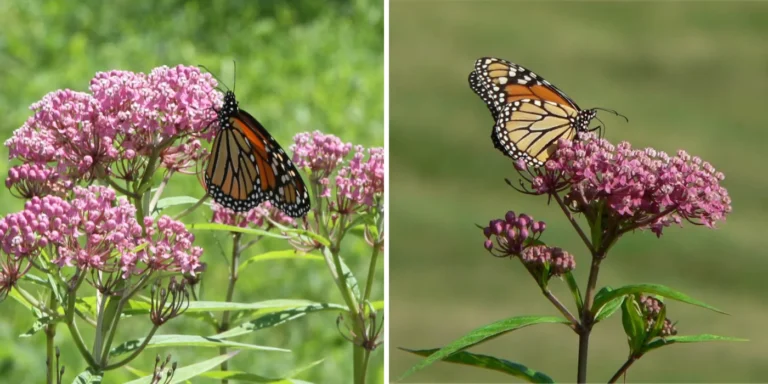
Monarchs are migrating. Fall nectar — particularly asters and goldenrod — is critical fuel. If you’re in the migration corridor from the Great Lakes south through Texas, keeping these plants standing and blooming is a direct contribution to migration success. Avoid cutting milkweed in areas where late-season caterpillars may still be developing. For more on milkweed specifically, our guide on growing milkweed in pots covers how to support monarchs even in small spaces.
Swallowtails (eastern tiger, spicebush, black) are largely done breeding by late summer but adults continue foraging into October in warmer regions. Their chrysalises are already attached to stems and fences in many yards. Leaving those structures standing is the most direct thing you can do.
Fritillaries overwinter as newly hatched caterpillars in the leaf litter beneath native violet plants. If you have native violets — wild or cultivated — leaving the leaf litter undisturbed around them through winter is essential for fritillary survival.
Question marks, eastern commas, and mourning cloaks overwinter as adults. They need bark crevices, brush piles, and sheltered spots with loose bark to survive. A log pile or brush pile provides exactly the kind of shelter these species seek.
Frequently asked questions
When should I cut back my garden for butterflies? Late March to early April, once overnight temperatures are consistently above 10°C (50°F). Cutting back in autumn removes overwintering habitat before the insects in it have completed development.
Which fall flowers are best for migrating butterflies? Native asters and goldenrod are the two most important. Both bloom from late summer through October, provide abundant nectar, and support dozens of additional pollinator species alongside butterflies.
Do I need milkweed in fall? Milkweed isn’t needed at overwintering sites, but late-season milkweed along migration routes supports caterpillars from the final summer generation before adults begin their migration south. Leaving milkweed standing until consistently cold temperatures arrive is worthwhile if you’re in the migration corridor.
Is leaving leaves really that important? Yes. Leaf litter is overwintering habitat for multiple butterfly species, dozens of moth species, native bees, firefly larvae, and ground-dwelling predatory insects. Removing it systematically is one of the most ecologically costly routine yard care practices.
What’s the single most impactful thing I can do for fall butterflies? Plant native asters and goldenrod if you don’t have them, and stop cutting back your garden in autumn. Together, those two actions address the most critical fall needs — nectar availability and overwintering habitat — for the widest range of species.