Yes, fake Halloween spider webs are bad for wildlife. That stretchy white fluff looks harmless on a porch railing, and wildlife rehabbers keep pulling animals out of it.
Owls, hummingbirds, sparrows, and bats have all turned up tangled in fake webbing, and unlike a real web, it doesn’t give way. Rehabbers see these cases every Halloween, and no one tracks the total. Animals that die unseen never make it into a count.
Keep it indoors, put it flat on a window, or hang something else.
What happens when an animal hits one
Fake webbing is a synthetic, polyester-type fiber, and it works nothing like spider silk. On songbirds and raptors it sticks to the feathers and settles in between them, almost like Velcro, according to a wildlife director at Georgia’s Chattahoochee Nature Center. The more the animal struggles, the tighter it holds.
Wildlife Rehabilitation & Release in Nevada County, California, points out that birds and other animals bigger than bugs can almost always get out of a spider’s web. Fake webs can hold them until someone rescues them, or they die of thirst and starvation.
WildCare, a wildlife hospital in San Rafael, California, has treated web-caught birds from an Anna’s Hummingbird to a White-crowned Sparrow to a Western Screech-Owl. These entanglements can cause toxin build-up, toe amputations, and other injuries from restricted blood flow.
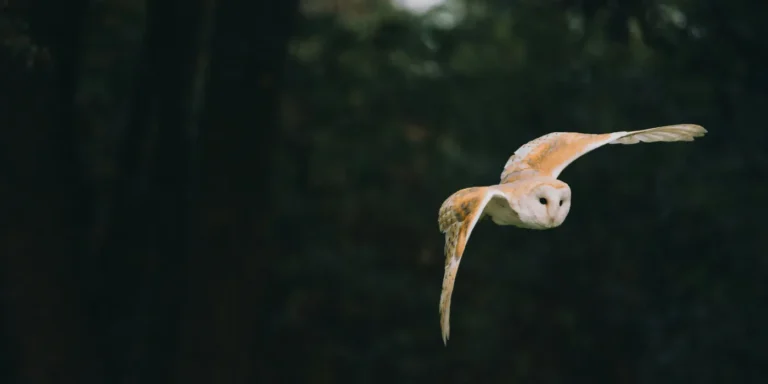
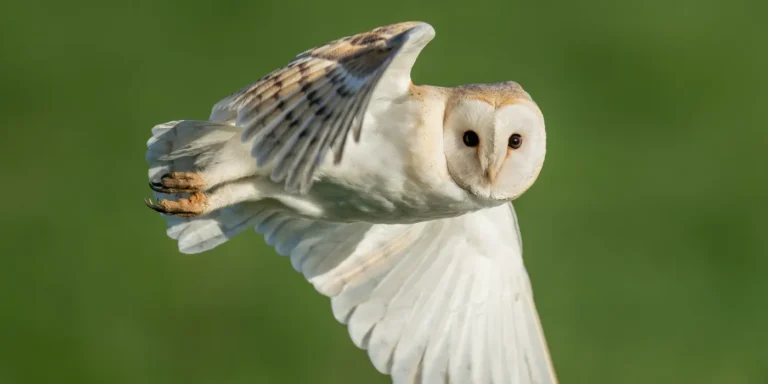
One Marin County family opened the door on Halloween and found a screech owl hanging upside down from the fake cobweb on a tree by their porch. The stuff had stuck to its talons and wings. A Humane Society officer snipped it free, WildCare checked it over, and it went back to the neighborhood. Plenty of animals don’t get that ending.
Sticky-coated webbing is the worst kind. Birding experts Kenn and Kimberly Kaufman call fake spiderwebs a serious problem, especially the kind with a sticky coating, because small birds get caught in it easily.
How common is it?
No one is counting. The Canadian Wildlife Federation says rehabbers report taking in animals tangled in fake webs, including insects.
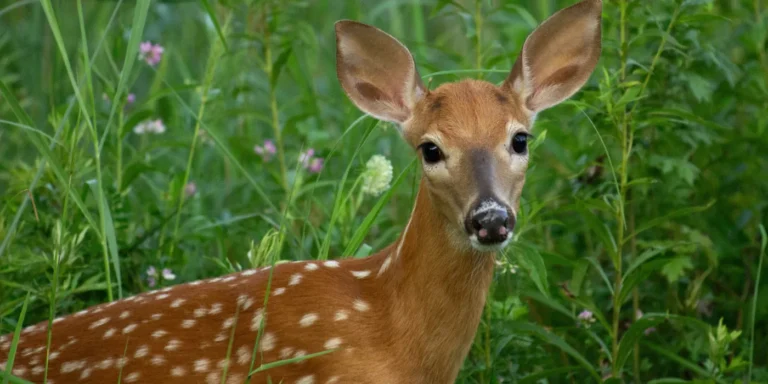
WildCare’s Alison Hermance told the LA Times editorial board that the group sees tangled animals every year around Halloween, mostly birds but also possums, squirrels, and even deer. Animals likely die without anyone noticing.
Bats can’t always dodge it
As of October 8, 2026, NorCal Bats had already taken two calls this year about bats tangled in fake web. One died. The other was in rehab. Corky Quirk, the bat expert who described the cases, said one had webbing in her mouth and wrapped around her wings.
You’d expect echolocation to help. Quirk says bats don’t always use it. Sometimes they’re just going from point A to point B, or heading for a grasshopper on the ground. Bat Conservation International says fake web doesn’t break easily, so bats and birds risk starvation or weather exposure once they’re stuck.
If you find a bat tangled in a decoration, don’t touch it with bare hands. Health officials quoted by CBS say that goes for any bat. Call a rescue group instead, and see our bat-in-the-house guide for the longer version.
Why October makes it worse
Halloween lands in the middle of fall migration. Migrating birds don’t know your neighborhood, they’re stressed from the trip, and they’re hunting for food, so hidden hazards catch them more easily.
Jennifer Bloodgood, a Cornell wildlife veterinarian, compares fake web to the mist nets people use to catch birds and bats on purpose. The risk is highest where webbing hangs across open space, like the middle of a yard or between trees. Webbing close to the ground can also catch mice, voles, moles, and possums.
It ends up in nests
Wind carries loose strands into shrubs and trees, where they can sit for months and still be there when birds start building in spring. Fake webbing can end up in nests, and some birds use real spiderwebs as nesting material. In Adelaide, one woman collected more than a dozen fallen nests with the fluffy white stuff from fake web worked in. Webbing in a nest can trap chicks.
Squirrels are caught this way too. Nebraska Wildlife Rehab in Omaha has seen juvenile squirrels tangled in fake webbing after their parents used it to line winter burrows.
What to hang instead
Put the webs on the glass. On the inside of a window they can’t snag a bird, and they help it see the glass. Collisions with building glass kill an estimated 988 million birds a year in the US. If you want your windows to keep working year-round, here’s the spacing that works for decals.
Use real fall stuff. The Nevada County rehabbers suggest pumpkins, leaves, acorns, and gourds. The US Fish and Wildlife Service says animals will eat a pumpkin on your porch, and that painted ones can be toxic to them. We cover where it stops being fine in our piece on leaving pumpkins for wildlife and what to do with it afterward in our pumpkin guide.
Leave a corner alone. Real webs are what birds can usually escape. Skip dusting one corner of the porch for a few weeks and you get cobwebs for free.
Build a web from thick rope with wide gaps between the strands, which the Georgia wildlife director recommends if you must have one outside, or cut one from paper. Skip thin yarn and cotton fluff. BirdLife Australia says the fine threads in cotton wool can entangle birds too, and plastic web does the same.
Be careful with lights. Bat Conservation International says bats can be sensitive to bright and flashing lights. It suggests motion-activated lights, kept close to your home instead of high in trees, and turned off before you go to bed.
If you already put them up
Take them out of the yard. If you can’t give them up, keep them out of open flight paths and check twice a day. Even webbing flat on a wall can catch a bird.
The Canadian Wildlife Federation says to use them on the inside of windows and doors and mind your cats. If you really must go outside, use them sparingly, leave them up a short time, and check a couple of times a day.
Take them down right after Halloween, and bag them before they go out. Loose strands blow into shrubs and stay there. Keep webs away from candles and string lights too, since fake web is highly flammable.
If a neighbor has them up
Start with a compliment about the decorations, then mention what fake webbing does to birds. Most people don’t know, and the fix is easy.
If you find an animal stuck in one
Don’t just pull it free. Cut the web away from around the animal, then take it to a wildlife rehabber. The BC SPCA gives the same advice. Serious entanglement injuries aren’t always visible, so an animal that looks fine can still need a checkup.
Call the rehabber before you head over. The National Wildlife Rehabilitators Association helps you find one in your state, and Animal Help Now is another place to look.
Find a wildlife rehabilitator
Pick a country, then tap your state or province, or use the menu.

You’ll get the official list or guidance page for your state or province.
Snapshot taken October 11, 2026. The main button goes to the official page for each state or province (British Columbia’s list comes from an independent network). For the US, Animal Help Now is an independent nonprofit. For Canada, the second button goes to the federal wildlife emergencies page. If it’s an emergency with a human injury, call 911. Rehabilitators are volunteers and may not answer right away.
Sources
- Audubon, How to Have a Bird-Friendly Halloween, October 2024.
- Bat Conservation International, Bat-Safe & Chic Halloween Decor, 2025.
- CBS News Sacramento, Halloween spider web decorations can trap and kill bats, experts warn, October 8, 2026.
- Canadian Wildlife Federation, Can fake spiderweb decorations kill birds?
- Northern Virginia Bird Alliance, Fake Spiderwebs: A Hidden Halloween Hazard for Birds.
- Wildlife Rehabilitation & Release, via The Union, A plea from Wildlife Rehabilitation & Release, 2023.
- Native Animal Rescue, Fake Halloween Cobwebs Pose Real Threat to Birds, 2015.
- Los Angeles Times Editorial Board, via Phys.org, Fake Halloween spiderwebs are truly scary, to wildlife, 2023.
- Popular Science, Beware! Your Halloween decorations could be a nightmare for wildlife, 2025.
- BC SPCA, All tangled up: is your yard safe for wildlife? 2025.
- Snopes, Does Decorative Spider Webbing Pose a Danger to Wildlife? 2023.
- Birds & Blooms, Do Fake Spiderwebs and Halloween Decorations Hurt Birds?
- The Age, Those sticky Halloween cobwebs are killing our native wildlife, October 14, 2025.
- ABC News Australia, Fake Halloween cobwebs and plastic appearing in birds' nests, 2019.
- Pest Management Professional, Fake cobwebs for Halloween threaten wildlife, 2023.
- Mental Floss, Why You Shouldn't Put Out Fake Spider Webs This Halloween.
- US Fish & Wildlife Service, How to Keep Pumpkins Safe for Wildlife.
- National Wildlife Rehabilitators Association, Help! I’ve Found an Injured Animal.
- Animal Help Now.