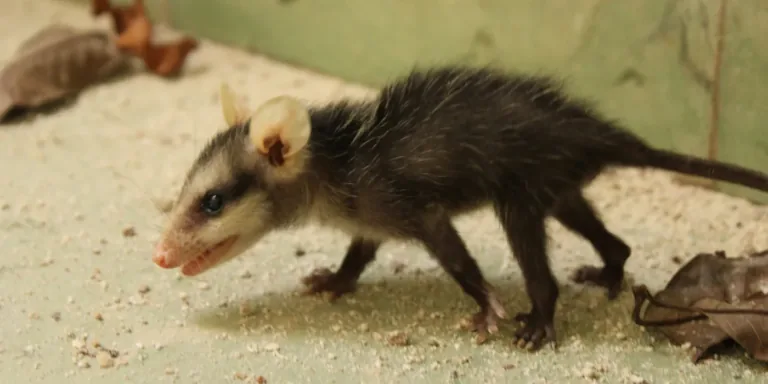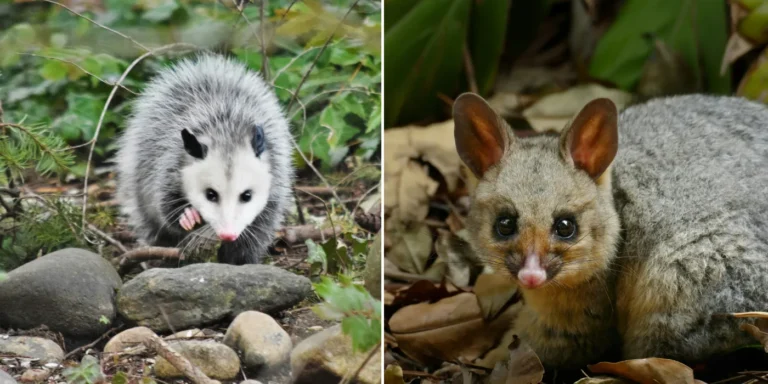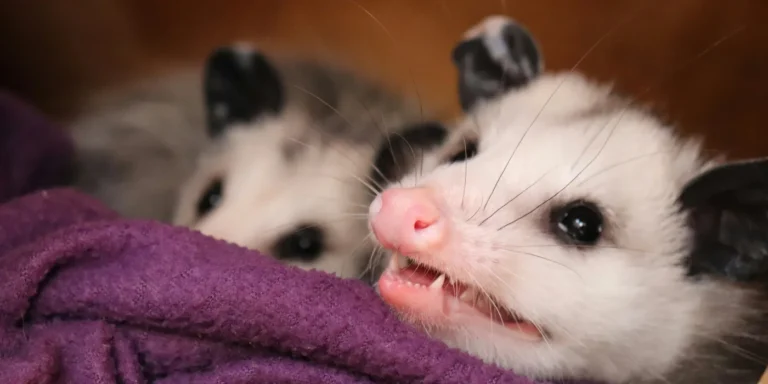
The opossum has a reputation problem that has absolutely nothing to do with its actual character. It looks like a large rat, it hisses when cornered, it wanders your yard at night knocking things over, and if you’ve ever seen one up close it probably appeared to be somewhere between confused and dead. None of that is a great first impression.
But the Virginia opossum, which is North America’s only marsupial, is one of the most genuinely useful animals you can have in your yard. Once you understand what it’s actually doing out there, the reaction most people have tends to shift from “get rid of it” to “please stay.”
What opossums actually eat
Opossums are opportunistic omnivores, which is a polite way of saying they will eat almost anything. Their diet includes insects, slugs, snails, grubs, mice, rats, carrion, fallen fruit, overripe vegetables, and whatever got left in your compost pile. In practical terms, this makes them one of the more efficient free pest control services available.
They eat cockroaches. They eat the snails eating your garden. They eat small rodents. They clean up dead animals that would otherwise attract flies and bacteria. An opossum moving through your yard at night is essentially running a sanitation route, and it’s doing it for free.
They also eat snakes, including venomous ones. Opossums have a natural immunity to the venom of many pit vipers, including copperheads and rattlesnakes, and they will actively hunt and eat them. If you live in an area where venomous snakes are a concern, this is not a small thing.
Keep Reading: Possum vs. Opossum: Both Are Correct, But Not for the Same Animal
The tick situation: what’s true and what’s overstated
You’ve probably seen the claim that a single opossum eats 5,000 ticks per season. It circulated widely on social media and got picked up by many reputable wildlife organizations. The underlying research is real, but worth understanding accurately.
The 5,000 figure comes from a 2009 study in which researchers placed ticks on captive opossums and counted how many were consumed. Opossums are meticulous groomers and removed roughly 90 to 96% of the ticks attached to them, which extrapolated to a seasonal estimate of around 5,000 per animal.
A 2021 review in the journal Ticks and Tick-borne Diseases complicated this picture. Researchers analyzed the stomach contents of 32 wild Virginia opossums from Illinois and found limited evidence of tick consumption, leading some scientists to question whether captive grooming behavior translates directly to wild feeding rates.
The honest summary: opossums are genuinely good groomers that consume the ticks they encounter on their bodies, and this almost certainly reduces local tick populations to some degree. Exactly how much remains debated. The 5,000 figure is probably generous. If you’re looking to reduce tick pressure in your yard, an opossum is a helpful ally, and its contribution combines with everything else a healthy yard does to support animals that eat ticks.
The rabies question
One of the most common reasons people are afraid of opossums is the assumption that they carry rabies. This fear is understandable but largely unfounded.
Opossums have an unusually low body temperature, running around 94 to 97 degrees Fahrenheit compared to the 98 to 102 degrees typical of most mammals. The rabies virus does not replicate efficiently at lower body temperatures, which is why opossums rarely contract it. The CDC reports that the animals most commonly infected with rabies in the U.S. are raccoons, skunks, bats, and foxes. Documented cases of rabies in opossums are extraordinarily rare.
That said, opossums can carry other diseases, including leptospirosis and salmonella, and their droppings can contain parasites. The standard guidance applies: don’t handle wild opossums with bare hands, wash thoroughly if you’ve been in contact with them, and keep children and pets away from their feces. But the fear of rabies specifically is not well supported by the evidence.
Playing possum
When an opossum feels cornered and can’t escape, it falls over, goes limp, and releases a foul-smelling secretion from its anal glands that smells like rotting flesh. Its eyes glaze. Its tongue hangs out. It will stay this way for anywhere from a few minutes to several hours.
This behavior, called thanatosis, is involuntary. The opossum isn’t making a clever decision to fake death. It’s undergoing a catatonic response that it cannot consciously control. Predators that rely on killing prey themselves often aren’t interested in something that appears to already be dead, so the strategy works. When the threat passes, the opossum recovers and moves on.
If you find an opossum in this state, leave it alone. It will come around. The worst thing you can do is try to move or handle it, which adds stress to an animal already in a defensive shutdown.
What to do if an opossum is in your yard
In most cases, do nothing. Opossums are transient. They don’t establish territories the way raccoons or foxes do. They wander a large home range and rarely stay in the same spot for more than a few nights. The opossum you see tonight may not come back for weeks.
If one has found a food source, like a pet food bowl left outside, an unsecured garbage can, or accessible compost, removing that food source is usually enough to move it along. Opossums are not aggressive toward humans and will typically retreat when approached. The hissing and open-mouth display looks alarming but is a bluff. An opossum that cannot flee will hiss. An opossum that has room to leave will leave.
If an opossum has gotten into a crawl space or garage, leave a light on and an exit available. They prefer dark, undisturbed spaces, and most will leave on their own once disturbed.
If you find an injured opossum, contact a wildlife rehabilitator. You can find your nearest one through the National Wildlife Rehabilitators Association directory. Don’t attempt to handle an injured opossum without protection, not because of disease risk, but because even a scared opossum has a lot of teeth.
Need a rehabilitator near you? Use our state-by-state wildlife rehabilitator finder.
How to make your yard more welcoming
If you’d rather encourage opossums to stick around, the approach is similar to supporting most backyard wildlife. Native plantings support the insect and small animal populations they eat. Brush piles and log piles give them shelter and hunting grounds. Leaf litter left in garden beds, the same practice that supports fireflies and countless other beneficial species, provides habitat for the grubs and invertebrates opossums eat.
Eliminating pesticide use is probably the single most important step. Broad-spectrum pesticides reduce the insect and invertebrate populations that opossums, birds, and most other wildlife depend on for food. A yard that uses no pesticides supports the kind of layered food web that lets opossums, and everything else, thrive naturally. This is the same principle behind rewilding your yard, which makes space for the full range of native species, including the ones that aren’t conventionally beautiful.
Water access matters too. A shallow dish with rocks to prevent drowning, a birdbath, or a small pond serves opossums as well as the birds, bees, and other wildlife you’re trying to support.
A few genuinely interesting facts
The Virginia opossum is the only marsupial native to North America. This means it’s more closely related to kangaroos and wombats than to raccoons or rats, despite how it looks.
Opossums have 50 teeth, more than any other North American land mammal. They also have a prehensile tail, which can grip branches, and opposable thumbs on their hind feet, making them surprisingly capable climbers.
Their gestation period is just 12 to 13 days, one of the shortest of any mammal. Newborns are roughly the size of a honeybee and immediately crawl into the mother’s pouch to continue developing. A litter can include up to 20 joeys, though typically only 6 to 9 survive.
Opossums have short lifespans, usually two to four years in the wild, which means the animal in your yard right now is probably not much older than a year.
The bottom line
The opossum in your yard is not a threat. It’s not going to attack you, it’s almost certainly not rabid, and it’s actively eating things you don’t want around. It’s cleaning up, patrolling for snails and rodents and ticks, and it will be gone in a few days.
The instinct most people have to remove them is understandable, but the case for leaving them alone, or even actively supporting them, is genuinely strong. For anyone already thinking about how to attract wildlife to their yard, the opossum is one of the easier wins available: it shows up on its own, asks for almost nothing, and earns its keep.
Frequently asked questions
Are opossums dangerous to dogs or cats? Opossums are not aggressive animals and will almost always retreat rather than fight. They are capable of biting if cornered or handled, but unprovoked attacks on pets are rare. A healthy opossum encountering a dog will typically hiss, then flee or play dead. The main risk to pets is the same as with any wildlife contact: the possibility of fleas, parasites, or bacterial transmission. Keep pet food indoors and supervise pets at night in areas with regular opossum activity.
Should I feed opossums? Wildlife rehabilitators generally advise against deliberately feeding wild opossums. Regular feeding encourages dependency, draws them to high-traffic areas where they’re more likely to be hit by cars, and can cause nutritional problems if the food isn’t appropriate. If an opossum is accessing your yard naturally and eating insects, grubs, and fallen fruit, that’s a different situation: it’s foraging, not being fed, and no intervention is needed. The same reasoning applies to feeding wild ducks and most other wildlife.
What does it mean if an opossum is out during the day? Opossums are primarily nocturnal, but daytime activity doesn’t automatically signal illness. A nursing mother may forage at unusual hours due to nutritional demands. Young opossums recently on their own may appear disoriented while learning their territory. If a daytime opossum appears obviously injured, is walking in circles, is unable to stand, or is unresponsive to your presence, contact a wildlife rehabilitator. A healthy opossum spotted during the day, even if moving slowly, is usually fine.
Do opossums dig up yards? Rarely. Unlike skunks or armadillos, opossums don’t dig. They will root through leaf litter and compost searching for insects and invertebrates, but they’re not making holes. If you’re finding dug-up areas in your yard, the culprit is probably something else. On the flip side, because they don’t burrow, they’re less disruptive to garden beds and lawns than many other visitors.
Is it legal to relocate or trap opossums? This varies by state. In many states, opossums are classified as non-game animals and trapping or relocating them requires a permit. Relocating wild animals is also generally not recommended by wildlife agencies, as animals released in unfamiliar territory often don’t survive. If an opossum is genuinely causing a problem, contact your local animal control office or a licensed wildlife removal professional rather than attempting to trap it yourself. In most cases, removing the food source is a more effective and legal solution.