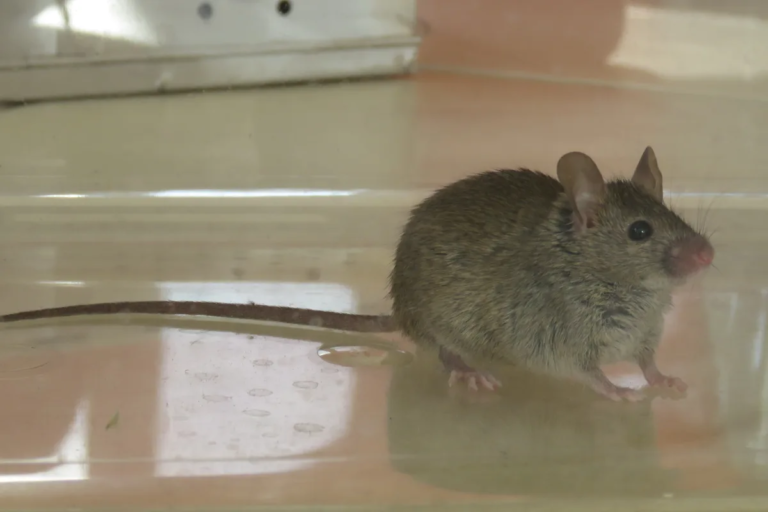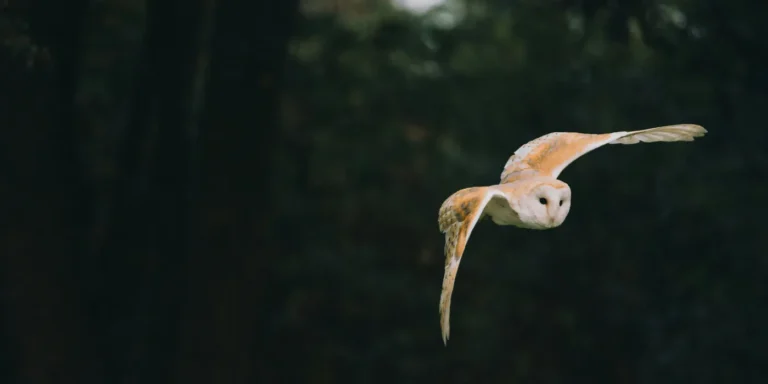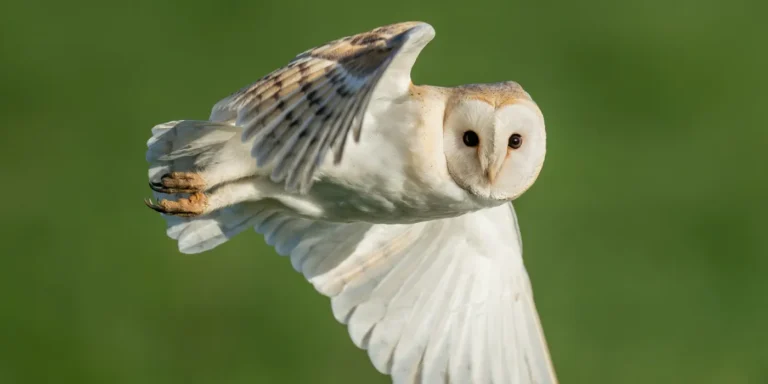
Most people who use rat poison are thinking about one thing: getting rid of rats. That’s fair enough. Rats are a real problem, and the products on the shelf are designed to look like a clean, simple solution. Set the bait, problem solved.
What the packaging doesn’t mention is what happens next. The rat doesn’t die immediately — that’s actually by design. Second-generation anticoagulant rodenticides, the most common and most powerful type of rat poison, take several days to kill. During that window, the poisoned rat is still alive but increasingly sick and slow. Slow rodents are easy to catch. And owls are very, very good at catching easy prey.
When an owl eats a poisoned rat, it absorbs whatever poison is still in the rat’s body. Eat enough poisoned rats over enough nights, and the owl begins to bleed internally — the same mechanism that kills the rat. It may not die immediately either. It might fly into something, fall from a nest, or simply fail to hunt effectively enough to survive.
This is called secondary poisoning, and it is not rare. In one UC Davis-led study, 70% of northern spotted owls tested positive for rat poison. A separate study found anticoagulant rodenticides in 84% of dead birds of prey found in New York City. Nearly half of 265 dead raptors from 19 species tested in North America showed positive results for at least one rodenticide compound. These aren’t fringe findings — the exposure is widespread and well-documented.
How the Poison Actually Works
Anticoagulant rodenticides work by blocking vitamin K, which animals need for blood to clot. Without it, internal bleeding can’t stop. The second-generation versions — products containing brodifacoum, bromadiolone, or difethialone — are far more potent than older formulas. They’re designed to be effective after a single feeding and to persist in body tissue for a long time.
That persistence is precisely the problem for owls. Research shows that owls have a limited ability to process and clear these compounds compared to other species. The poison builds up in their liver tissue. A single poisoned rat might not be enough to kill an owl outright, but the toxin doesn’t leave quickly. Eat several poisoned rodents over the course of a week — which is a normal hunting pace for a barn owl — and the accumulation can become lethal.
Even sub-lethal exposure causes real harm. An owl with compromised blood clotting is more likely to die from minor injuries, more vulnerable to disease, and less able to raise a successful brood. It may look fine on the outside while it’s slowly being undermined.
This Is the Animal That Was Solving Your Rodent Problem
Here’s the frustrating part. Owls are extraordinarily effective at controlling rodent populations — arguably more effective, over time, than poison. A pair of barn owls can consume between 2,000 and 6,000 rodents per year. A family, including young owlets, can eat over 1,000 rodents in a single four-month nesting season. California vineyards have been replacing rodenticides with barn owl nest boxes for decades, and one study found barn owls killed more than 30,000 rodents in a single vineyard over three years — at a fraction of the cost of trapping or poisoning.
So the rodenticide isn’t just killing owls. It’s killing the very animals that were providing free, sustainable, genuinely effective rodent control. It’s a bad trade by almost any measure.
Great horned owls, barn owls, screech owls, barred owls — these are the species quietly working night shifts in suburban backyards, farm fields, and city parks. They don’t announce themselves, they don’t ask for anything, and they’ve been managing rodent populations in human-dominated landscapes for centuries. Poisoning them to deal with rodents is a bit like firing the pest control company and then wondering why pests keep showing up.
What’s Being Done About It (And What Isn’t)
California moved furthest on this issue. In 2020, Governor Newsom signed AB 1788, which broadly prohibits the use of second-generation anticoagulant rodenticides statewide. The legislation came after state testing found SGARs in more than 90% of mountain lions tested, 85% of protected Pacific fishers, and 70% of northern spotted owls. The evidence had become hard to ignore.
Most of the country hasn’t caught up. Second-generation rodenticides remain widely available at hardware stores, garden centers, and big-box retailers across most states, usually without any indication on the label of what they do to owls, hawks, foxes, and other wildlife that eat rodents. The EPA has acknowledged the risk and restricted some uses, but the products are still prevalent.
If you’ve used these products — or if your neighbors have — the effects may already be present in the local wildlife. You can’t undo that. But you can stop contributing to it going forward.
What to Do Instead
The good news is that rodent control without poison is genuinely effective, especially around homes and yards. The alternatives aren’t consolation prizes.
Snap traps are the most straightforward swap. They’re inexpensive, kill quickly, don’t poison anything downstream, and are easy to set in areas where rodents are active. Place them along walls and baseboards — rodents hug surfaces when they move. Check them regularly and reset as needed.
Seal entry points. This is the step most people skip, and it’s the most important one for long-term results. Rodents don’t appear from nowhere — they’re coming in through gaps around pipes, vents, foundations, and poorly fitted doors. A quarter-inch opening is enough for a mouse. Steel wool, wire mesh, and weatherstripping seal these gaps and remove the invitation. No entry point, no indoor rodents.
Remove what’s attracting them. Outdoor pet food, unsecured compost, bird seed on the ground, and accessible garbage are all rodent draws. Cleaning up these food sources reduces pressure significantly. It’s unglamorous advice, but it works.
Put up an owl box. This one feels counterintuitive if you’re used to thinking of wildlife as the thing to manage rather than the thing doing the managing. But attracting barn owls to your property is a legitimate and increasingly popular approach to long-term rodent control. Owl boxes don’t require acreage — even suburban properties can host them if the site is appropriate. One family of barn owls hunting consistently over several seasons can dramatically reduce local rodent populations without any poison, any cost after the initial setup, or any harm to anything other than the rodents.
If you do put up an owl box, stop using rodenticides entirely first. An owl box next to active bait stations is worse than useless — you’re inviting the owl to a poisoned buffet.
Checking What You’re Using
If you have rodenticides on your property right now, check the active ingredient. Products containing brodifacoum, bromadiolone, difethialone, or difenacoum are second-generation anticoagulants — the most dangerous to wildlife. These are often marketed under names like d-Con (older formulas), Talon, Havoc, or Contrac. First-generation anticoagulants (warfarin, diphacinone, chlorophacinone) are less persistent in tissue and carry somewhat lower secondary poisoning risk, though they’re still not without impact on wildlife.
Non-anticoagulant rodenticides like bromethalin work differently but carry their own risks to wildlife and pets, and aren’t meaningfully safer for owls. The honest answer is that snap traps and exclusion are the cleanest approach for backyard and household use.
The Bigger Picture
The bald eagle’s recovery from near-extinction is one of conservation’s better-known success stories, driven largely by the ban on DDT. The parallel with rodenticides is uncomfortably close — a widely used chemical that moves up the food chain and accumulates in top predators, causing harm that took decades to fully understand. We’re still in the middle of the rodenticide story.
Owls are effective, quiet, and largely invisible in their work. Most people never see the barn owl hunting their backyard at 2 a.m. or realize it’s been there for years. The same instinct that draws people to put up bluebird boxes or fill hummingbird feeders — wanting wildlife nearby, wanting to support it — applies just as directly to owls. They just need different things: not feeders, but a nest box, and a yard that isn’t quietly poisoning them.
The rodent problem is real. The solution shouldn’t cost you an owl.
Frequently Asked Questions
Does rat poison always kill owls? Not always immediately, but exposure is far more common than most people realize. The toxin accumulates in body tissue over multiple poisoned meals, and even non-lethal doses compromise blood clotting, immune function, and breeding success. Lethal outcomes are well-documented; sublethal harm is probably even more widespread.
What are second-generation anticoagulant rodenticides, and how do I know if I’m using one? They’re the most potent class of rat poison, designed to kill after a single feeding and to persist in tissue for weeks. Common active ingredients include brodifacoum, bromadiolone, difethialone, and difenacoum. Check the active ingredient list on the label. Many popular retail products use these compounds.
Are first-generation rodenticides safe for owls? Safer, but not safe. They’re less persistent in tissue and require multiple feedings to be lethal to rodents, which reduces secondary poisoning risk somewhat. They’re still not benign for wildlife. Snap traps and exclusion remain the cleanest options.
Do owl boxes actually work for rodent control? Yes, with realistic expectations. Barn owls are highly effective over time and in the right habitat — open areas with good hunting ground nearby. They work best as part of a consistent, long-term approach rather than an immediate fix. They’re not a substitute for sealing entry points into your home, but for yard and field rodent pressure, they’re genuinely effective.
What should I do with rodenticide products I already have? Don’t put them down the drain or in regular garbage. Contact your local hazardous household waste disposal program — most counties have collection events or permanent drop-off sites. Search “[your county/city] hazardous waste disposal” to find your local option.