Deer and Milkweed: Why Deer-Resistant Doesn’t Mean Deer-Proof
- Give A Shit About Nature
- May 16, 2026
- Milkweed, Native Plants
- 0 Comments
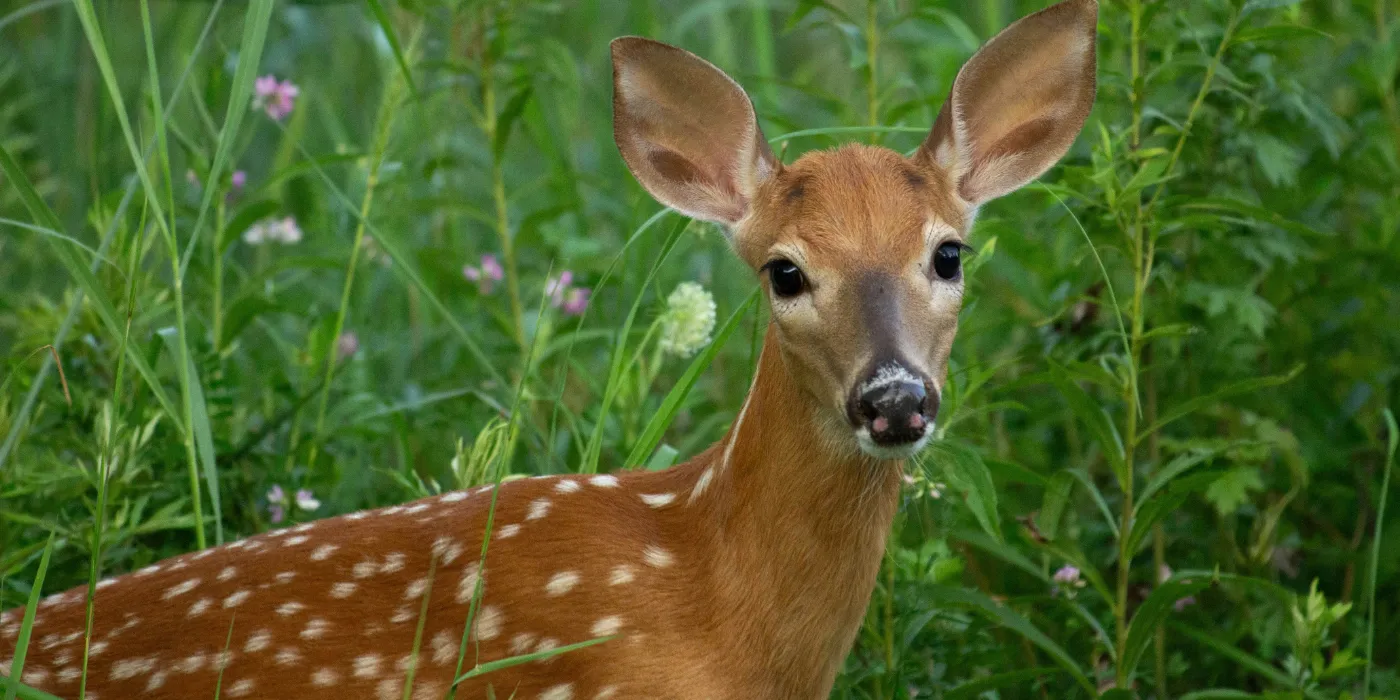
Deer eat milkweed. They don’t love it, they won’t always touch it, but they eat it, and the gardener who planted three butterfly weed plants for the monarchs and found them chewed to the crown by June is not imagining things. Milkweed gets sold as a plant deer leave alone. The truth is closer to “a plant deer usually leave alone, until they don’t.”
That qualifier is the entire article. The toxic sap that earns milkweed its deer-resistant reputation is real chemistry, and it does keep most animals off most of the time. Deer are the gap in that rule, and “deer-resistant” on a nursery tag is a probability dressed up as a promise.
The toxicity is real, which is exactly why people get this wrong
Milkweed sap carries cardiac glycosides, a class of compounds that disrupt heart, kidney, and nervous system function in mammals. Horses are the most vulnerable, with cattle, sheep, dogs, cats, and people all susceptible in large enough doses. Monarch caterpillars run the same chemistry as a defense, holding the toxins in their bodies so a bird that eats one throws up and learns the lesson.
From there the reasoning looks clean. Toxic plant, animals avoid it, milkweed must be deer-proof. Tags say “deer-resistant,” blogs repeat it, and a gardener losing hostas to a herd reads that as permission to stop worrying.
The hole is in the word “avoid.” USDA guidance via the U.S. Fish and Wildlife Service puts it plainly: animals usually don’t eat milkweed unless good forage is scarce. Most serious poisonings happen in overgrazed pasture where milkweed is one of the last things standing.
That qualifier rarely makes it onto the plant tag. A deer in a July backyard with a thinning food supply is working from a different menu than a deer in a healthy woodlot, and deer test unfamiliar plants in the yard regularly to find out what’s edible. A few exploratory bites can take down a young plant whether or not the deer ends up liking it.
There’s also some evidence white-tailed deer tolerate small doses better than the toxicity tables would suggest, taking modest amounts and favoring younger, less concentrated growth rather than gorging. The exact mechanism isn’t well pinned down, and it’s worth holding that claim loosely.
What’s clear from the field is the behavior, not the physiology: deer that browse milkweed tend to do it in small, selective bites. That same forage flexibility is why they’re such a persistent garden problem in general, which we get into in Native Plants That Keep Deer Away.
What deer actually do to a milkweed patch
It varies wildly, and the variation is the useful part.
Some gardeners grow milkweed because deer ignore it in a bed where everything else gets eaten. Then there’s the Journey North observer in Boulder Junction, Wisconsin who watched deer strip every milkweed plant in a prairie planting two years running, fawns included, hunting it out of everything else in the mix. Both reports are honest. A single yard’s outcome tells you about that yard, not about the species.
The patterns that repeat: tender spring growth gets hit harder than tough mature stems. Browsing pressure climbs when deer numbers are high and natural food is short, which is part of why winter is a separate animal entirely if you have deer around, covered in What Deer Eat in Winter.
And butterfly weed (Asclepias tuberosa) and swamp milkweed (Asclepias incarnata) appear to get browsed more than common milkweed (Asclepias syriaca), whose coarse, hairy leaves and heavier sap seem to put deer off sooner. If deer are relentless where you are, common milkweed is the safer bet for surviving them, with the catch that it spreads aggressively and belongs in a wild edge, not a tidy border. That spreading habit is the same trait that got it onto old noxious-weed lists, the subject of Milkweed Laws Explained.
No milkweed species is genuinely deer-proof. Anyone selling you one is selling the probability and skipping the fine print.
Protecting it without shutting out the monarchs
The standard fix for a browsed plant is a smelly deer repellent on the leaves, and that’s where milkweed gets complicated. Female monarchs locate milkweed partly by scent. Spray the leaves and the worry is whether you’ve also hidden the plant from the insect the whole bed exists for.
The reassuring part comes from the gardening experts at Birds & Blooms, who note that butterfly scent detection works differently from a mammal’s, and a sprayed plant generally still draws egg-laying females. If you’d rather keep spray off the foliage entirely, a granular repellent worked into the soil around the base puts the deterrent at deer-nose level near the ground without coating the leaves where caterpillars feed.
Physical exclusion is the most dependable route while plants are young. A cage or a fence tall enough that a deer can’t lean over it carries milkweed through its first season, which is the season that matters. An established plant with real roots can be browsed and come back, sometimes with fresh growth that’s useful to late-season monarchs. A first-year seedling eaten to the ground usually just dies.
What’s worth knowing before you spend money on deterrents:
- Repellents wash off and deer get used to them. Rotate products, reapply after rain.
- “Resistant” plants still get sampled. Every new thing in the yard gets a taste test at least once, and a young plant can lose that test fatally.
- Match the effort to the plant’s age. Hard protection for new plantings, ease off once they’re established and resilient.
When milkweed keeps losing no matter what you do, it helps to remember it’s one tool, not the whole toolkit. Adult monarchs need nectar, and a yard built with deer-tougher natives keeps supporting them even on seasons the milkweed gets chewed flat.
Read More: Native Plants That Attract Monarch Butterflies
The most common version of this story
It usually goes like this. A gardener reads that milkweed is deer-resistant, puts four butterfly weed plugs in a sunny bed in May, and finds them browsed to stubs by mid-June. The takeaway they reach is “I have a black thumb” or “milkweed won’t grow here.”
Neither is true. They put in the most palatable species, as tender first-year growth, during peak deer pressure, with no protection, trusting a single word on a tag. The plants were fine. The information was wrong.
What changes the outcome isn’t giving up on milkweed. It’s caging the first season, choosing common milkweed when the deer are serious and the site can take a spreader, and reading “deer-resistant” as a tendency instead of a guarantee. It was never a guarantee.
FAQ
Will deer kill an established milkweed plant? Usually not. A mature plant with a real root system can be browsed and regrow, and that regrowth can feed late-season monarchs. First-year plants are the ones at genuine risk, since being eaten to the ground before they establish often kills them outright.
Which milkweed is most deer-resistant? None are deer-proof, but common milkweed (Asclepias syriaca) appears to be browsed less than butterfly weed or swamp milkweed, likely because of its coarser leaves and heavier sap. It spreads hard, so it fits a wild edge better than a manicured bed. If a spreader won’t work for your space, growing milkweed in containers gives you tighter control over placement and protection.
Does deer repellent stop monarchs from using milkweed? Generally no. Butterfly scent detection appears to work differently from mammalian smell, and sprayed plants still draw egg-laying females in most cases. A soil-applied granular repellent avoids the question by keeping product off the leaves.
Is milkweed dangerous to deer? It can be, in quantity, because of the cardiac glycosides. In practice deer tend to take small, selective amounts of younger growth and stop short of a harmful dose. Severe milkweed poisoning shows up far more in penned livestock with no other forage than in free-ranging deer.
What if it’s not deer eating my milkweed? A lot of insects feed on milkweed and the damage reads differently. Deer take whole leaves and stem tips in clean bites; most insects leave holes, skeletonized leaves, or visible colonies. Our guide to what’s eating your milkweed sorts out who’s who.