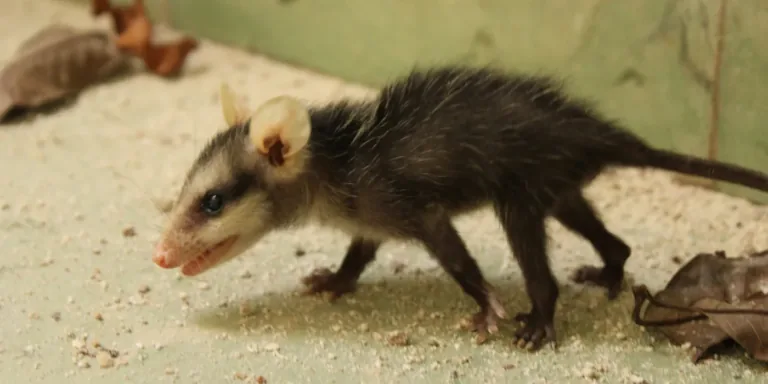
Wild mice are not domestic mice. That distinction sounds obvious, but the gap between them is much wider than it looks.
The short answer to the question: in most states, you can’t keep a wild mouse legally, and even where there’s no specific law against it, the practical reasons not to are compelling. Wild house mice (Mus musculus) are technically non-native and unprotected in the U.S., so possession laws vary and are often unenforced.
But native species like deer mice and white-footed mice are a different legal matter in some states, and the health risks apply to all of them regardless.
The Disease Risk
This is the part that stops most conversations. Wild rodents carry pathogens that domestic mice, bred and maintained in controlled conditions for generations, largely don’t. The CDC specifically advises against handling or feeding wild rodents, and the list of reasons is worth knowing.
Hantavirus is carried by deer mice and white-footed mice across much of North America. Approximately 5% of wild mice in the U.S. test positive for lymphocytic choriomeningitis virus (LCMV), which can cause serious illness in people with weakened immune systems and is particularly dangerous during pregnancy. Leptospirosis, transmitted through contact with rodent urine, can range from flu-like symptoms to kidney failure in its most severe form. Rat-bite fever is bacterial, transmitted through bites or scratches, and wild rodents carry it at higher rates than domestic ones.
None of this means you’re certain to get sick from handling a wild mouse. But you’d have no way of knowing what any given animal is carrying, and these aren’t abstract risks. King County Public Health’s zoonotic disease guidance flags wild rodents as carriers of hantavirus, leptospirosis, LCMV, tularemia, and salmonella. Keeping one in your home in close daily contact is a sustained exposure scenario that a brief encounter isn’t.
What Captivity Does to a Wild Mouse
Beyond the health question, captivity is genuinely hard on wild-caught mice. They’re not socialized for human presence. Every interaction is a predator encounter from the mouse’s perspective, and chronic stress in small mammals has real physiological effects: suppressed immune function, altered behavior, shortened lifespan. The mouse that looked fine in the shoebox is running on cortisol.
Wild mice also have specific needs that are difficult to replicate indoors. They’re crepuscular and nocturnal, highly active, and need far more space and stimulation than most improvised enclosures provide. A domestic mouse in a well-maintained cage is a different animal than a wild one in a container, not just temperamentally but physiologically.
If You Found an Injured Mouse…
This is where the question sometimes actually starts. Someone finds a mouse that’s been caught by a cat or is otherwise clearly hurt, and the instinct is to help it.
For an injured wild rodent, the right call is a licensed wildlife rehabilitator, not a shoebox on the kitchen counter. Rehabbers have the appropriate enclosures, the legal permits to hold wild animals, and the expertise to assess whether the animal can actually recover. A quick search for your state’s wildlife rehabilitator network or a call to your local nature center can locate one nearby.
Need a rehabilitator near you? Use our state-by-state wildlife rehabilitator finder.
Rodents, being small prey animals, are also notoriously difficult to assess for injury. Something that looks uninjured may have internal damage. Something that looks badly hurt may recover completely with appropriate care. The rehabilitator is better positioned to make that call than most people.
What to Do With a Mouse That’s in Your House
If the situation is that a mouse has moved into your home and you’re wondering whether to keep it, the answer is a clear no, but for different reasons than above. A mouse that has established itself indoors is going to cause problems: chewed wires, contaminated food storage, nesting in insulation. The rodenticide route has its own serious problems, including the secondary poisoning chain that kills owls and raptors that would otherwise control rodent populations naturally. Snap traps and exclusion (sealing entry points) are the more ecologically sound approach, and exclusion is the only thing that solves the problem long-term.
If you want a mouse as a pet, domestic fancy mice are domesticated, socialized, typically disease-screened, and genuinely engaging animals that are much better suited to captivity than anything caught from outside. They’re also inexpensive and readily available from breeders and shelters. The experience is just fundamentally different from trying to keep a wild animal, and better for everyone involved.
FAQ
Is it illegal to keep a wild mouse? It depends on the species and state. Non-native house mice (Mus musculus) are typically unprotected and not covered by specific possession laws in most states. Native species like deer mice may have different status. Check your state wildlife agency if you’re uncertain about a specific species.
Can wild mice become tame if kept long enough? Some individuals habituate to handling over time, but wild mice are not domesticated and their stress responses don’t go away the way a domestic animal’s would. They may become somewhat tolerant of human presence without becoming genuinely tame in the way a domestic mouse is.
What if I find a baby mouse with no mother? Orphaned wildlife should go to a licensed wildlife rehabilitator. Baby rodents are extremely difficult to keep alive without specialized care, and the same disease and legal considerations apply as with adult animals.
Are wild mice more dangerous than pet mice? Yes, in practical terms. Domestic mice are bred from captive stock that has been separated from wild populations, disease-screened, and managed in controlled conditions for many generations. Wild mice have unknown pathogen exposure, no veterinary history, and higher rates of carrying diseases transmissible to humans.