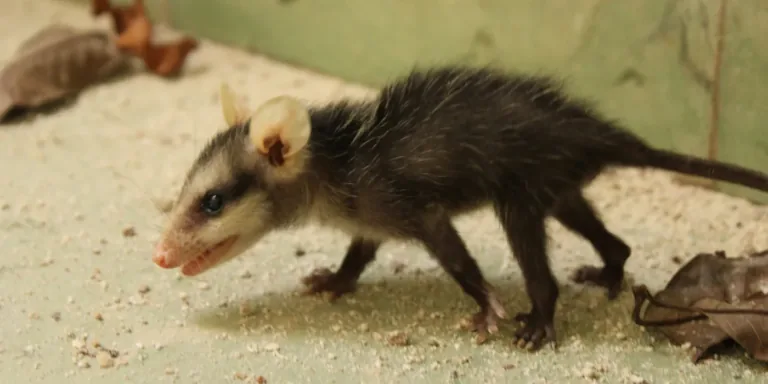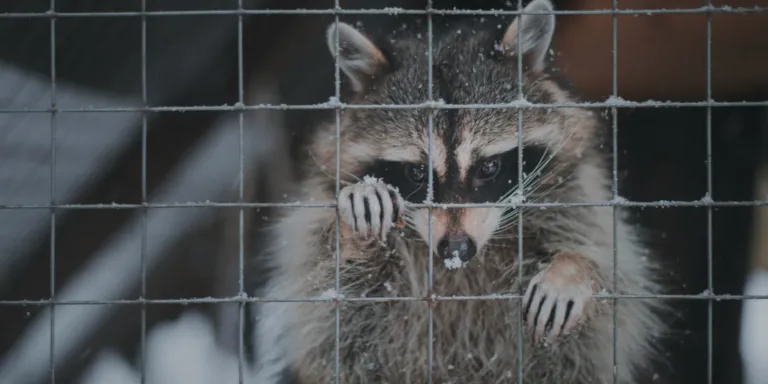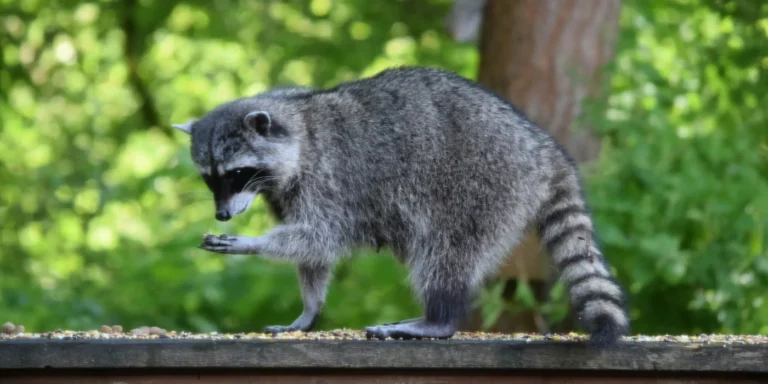
Raccoons are genuinely intelligent animals. They’re curious, dexterous, capable of learning, and when raised around people, can become remarkably comfortable with human company. Those adorable social media clips aren’t necessarily lying about that part.
What the clips usually leave out is the chewed electrical cord at 3 a.m., the struggle to find a veterinarian willing to treat a raccoon, or the behavioral changes that can come with sexual maturity. These are wild animals with needs that don’t magically disappear because somebody raised them in a house.
And depending on where you live, keeping one might not be legal in the first place.
We checked the rules across all 50 states and 13 provinces and territories, and the answer is considerably messier than most websites suggest. Some states allow private ownership, others require permits, and plenty prohibit it outright. Eleven states remain difficult to classify confidently from the official information available.
Here’s what the law says, and what living with a raccoon actually involves.
Can you legally keep a pet raccoon?
Four states let you keep a raccoon with no permit. Ten more require a permit or a license. Twenty-five say no, and eleven are unclear. The map below reflects each state’s own rules, with the official source one tap away.
Can you keep a raccoon as a pet?
State-by-state legal status. Tap or hover a state.

Each one shows its status, a one-line note, and the official source.
Snapshot taken October 11, 2026. Laws change, and many cities and counties add their own rules. Where a state has only a general wildlife rule, the note says so. “Unclear” means we couldn’t confirm the state’s rule against an official source. Check with your state wildlife agency before you take one in.
Green is no permit. Arkansas and Louisiana cap you at six hand-captured animals per household. South Dakota allows one raccoon per household. Wyoming allows possession with no permit, but importing raccoons is prohibited, so the animal has to come from inside the state.
Yellow means a permit or license, and a permit isn’t the same as a lawful way to get the animal. Florida’s is the simplest, a free personal pet permit that renews every two years. New Jersey issues a captive game permit, but the raccoon has to come from a licensed breeder in a state with a matching rabies variant. Tennessee has a raccoon-only permit, yet taking one from the wild is illegal there. Michigan’s permit doesn’t cover wild-taken animals either, and importing is illegal.
Red is the biggest group at 25. Some states say it plainly. Montana’s wildlife agency says it’s illegal to possess a raccoon, and Pennsylvania lists all species of raccoons as prohibited. Kansas and Washington ban raccoons through their rabies laws. Delaware, Illinois, and North Carolina are judgment calls, because those states have a general rule against wildlife as pets and don’t name the raccoon.
Gray means the state’s own text doesn’t settle it. Texas is one example. Raccoons can’t be sold or moved live there, and TPWD issues no propagation permits, but the rules reviewed here don’t establish whether possession is allowed. Ohio’s rules cover raccoons brought in from out of state and say little about in-state pets. Don’t read gray as legal.
Cities and counties can add rules on top of the state’s, so check with yours before anything else.
Every state and province in plain text
AlabamaUnclear
Legal status: Unclear.
Explanation: Raccoon is a game animal and bringing one in from out of state is barred. We couldn’t confirm a rule on keeping a native one.
Official source: admincode.legislature.state.al.us
AlaskaIllegal
Legal status: Illegal.
Explanation: Only animals on the state Clean List can be pets. Raccoon isn’t on it.
Official source: adfg.alaska.gov
ArizonaPermit required or mixed
Legal status: Permit required or mixed.
Explanation: Raccoons are restricted live wildlife and need a special license. We couldn’t confirm the state issues one for a pet.
Official source: law.cornell.edu
ArkansasLegal
Legal status: Legal.
Explanation: Up to six hand-captured raccoons per household, no permit (Code 09.14).
Official source: law.cornell.edu
CaliforniaIllegal
Legal status: Illegal.
Explanation: Raccoons are on California’s restricted species list. No pet permits.
Official source: wildlife.ca.gov
ColoradoIllegal
Legal status: Illegal.
Explanation: Colorado Parks and Wildlife lists raccoons as prohibited.
Official source: cpw.state.co.us
ConnecticutIllegal
Legal status: Illegal.
Explanation: Raccoon is on the Category Two wild animal list. Keeping, breeding, and selling are barred.
Official source: law.cornell.edu
DelawareIllegal
Legal status: Illegal.
Explanation: DNREC says owning wild animals as pets is illegal. A state statute mentions permits, so we went with the agency’s reading.
Official source: dnrec.delaware.gov
FloridaPermit required or mixed
Legal status: Permit required or mixed.
Explanation: Class III wildlife. A free personal pet permit covers it, renewed every two years.
Official source: myfwc.com
GeorgiaIllegal
Legal status: Illegal.
Explanation: Georgia doesn’t issue licenses for native wildlife as pets.
Official source: gadnrle.org
HawaiiUnclear
Legal status: Unclear.
Explanation: We couldn’t find a raccoon rule.
Official source: No official source confirmed.
IdahoIllegal
Legal status: Illegal.
Explanation: Idaho’s rabies-vector law bars possessing raccoons, skunks, and foxes.
Official source: law.justia.com
IllinoisIllegal
Legal status: Illegal.
Explanation: IDNR says wildlife can’t be kept as pets under most circumstances, and licensed rehabbers are among the few exceptions. A general rule, not a raccoon-specific one.
Official source: dnr.illinois.gov
IndianaPermit required or mixed
Legal status: Permit required or mixed.
Explanation: A Class II wild animal permit covers raccoons.
Official source: inrules.elaws.us
IowaUnclear
Legal status: Unclear.
Explanation: We found conflicting secondary reports and no primary rule.
Official source: No official source confirmed.
KansasIllegal
Legal status: Illegal.
Explanation: State rabies rule: possessing or selling raccoons as pets is prohibited (KAR 28-1-14).
Official source: sos.ks.gov
KentuckyIllegal
Legal status: Illegal.
Explanation: Raccoons are on the prohibited list for holding live native wildlife (301 KAR 2:081).
Official source: fw.ky.gov
LouisianaLegal
Legal status: Legal.
Explanation: Hand-captured natives may be kept, up to six per household (raccoon, opossum, rabbit, squirrel combined). We relied on the same state document as our opossum map.
Official source: legis.la.gov
MaineUnclear
Legal status: Unclear.
Explanation: We couldn’t find a raccoon-specific rule.
Official source: No official source confirmed.
MarylandIllegal
Legal status: Illegal.
Explanation: Raccoons are barred as pets under COMAR 08.03.09.03.
Official source: regs.maryland.gov
MassachusettsIllegal
Legal status: Illegal.
Explanation: Raccoon isn’t on the short list of animals Mass Wildlife lets you keep.
Official source: mass.gov
MichiganPermit required or mixed
Legal status: Permit required or mixed.
Explanation: A Permit to Hold Game in Captivity lists raccoon, but importing is illegal and the permit doesn’t cover animals taken from the wild.
Official source: michigan.gov
MinnesotaUnclear
Legal status: Unclear.
Explanation: We couldn’t find a rule on keeping raccoons as pets.
Official source: No official source confirmed.
MississippiIllegal
Legal status: Illegal.
Explanation: Holding game animals and furbearers in captivity is prohibited without a permit.
Official source: law.cornell.edu
MissouriUnclear
Legal status: Unclear.
Explanation: Raccoon appears on Missouri’s native wildlife lists. We couldn’t confirm the pet rule.
Official source: sos.mo.gov
MontanaIllegal
Legal status: Illegal.
Explanation: Montana FWP: “It is illegal to possess a raccoon.”
Official source: fwp.mt.gov
NebraskaPermit required or mixed
Legal status: Permit required or mixed.
Explanation: A Captive Wildlife Permit covers raccoons.
Official source: outdoornebraska.gov
NevadaIllegal
Legal status: Illegal.
Explanation: State rabies rule bars keeping or feeding a raccoon on private property. Health and wildlife authorities can grant exemptions.
Official source: law.cornell.edu
New HampshireIllegal
Legal status: Illegal.
Explanation: Raccoon falls under the Fis 800 captive wildlife rules, which have no individual pet permit.
Official source: gc.nh.gov
New JerseyPermit required or mixed
Legal status: Permit required or mixed.
Explanation: A captive game permit works, but the animal must come from a licensed breeder in a rabies-variant-matched state.
Official source: dep.nj.gov
New MexicoUnclear
Legal status: Unclear.
Explanation: State law lets health officials regulate pet raccoons. We couldn’t find the rule.
Official source: law.justia.com
New YorkIllegal
Legal status: Illegal.
Explanation: DEC doesn’t license wildlife as pets.
Official source: dec.ny.gov
North CarolinaIllegal
Legal status: Illegal.
Explanation: The wildlife commission says you can’t hold a wild animal as a pet or for companionship. A general rule.
Official source: ncwildlife.org
North DakotaIllegal
Legal status: Illegal.
Explanation: Raccoon isn’t on the state’s non-traditional livestock list.
Official source: ndda.nd.gov
OhioUnclear
Legal status: Unclear.
Explanation: Rules cover imported pet raccoons with out-of-state paperwork. We found no clear in-state pet rule.
Official source: codes.ohio.gov
OklahomaUnclear
Legal status: Unclear.
Explanation: We couldn’t find a primary rule.
Official source: No official source confirmed.
OregonIllegal
Legal status: Illegal.
Explanation: Selling raccoons as household pets is prohibited. Only animals held before the cutoff date are grandfathered.
Official source: oregon.public.law
PennsylvaniaIllegal
Legal status: Illegal.
Explanation: “All species of raccoons” are on the prohibited list.
Official source: pacodeandbulletin.gov
Rhode IslandIllegal
Legal status: Illegal.
Explanation: Raccoons are barred as pets under the state’s wild animal rules.
Official source: rules.sos.ri.gov
South CarolinaUnclear
Legal status: Unclear.
Explanation: Importing or possessing a furbearer without a permit is unlawful, but the health department says owning isn’t banned.
Official source: dph.sc.gov
South DakotaLegal
Legal status: Legal.
Explanation: One raccoon per household may be kept as a pet (ARSD 41:08:05:01).
Official source: law.cornell.edu
TennesseePermit required or mixed
Legal status: Permit required or mixed.
Explanation: A personal possession permit (Class II, raccoon only) exists, but taking one from the wild is illegal.
Official source: tn.gov
TexasUnclear
Legal status: Unclear.
Explanation: Raccoons can’t be sold or moved live and TPWD issues no propagation permits. We couldn’t confirm a pet-possession rule.
Official source: tpwd.texas.gov
UtahIllegal
Legal status: Illegal.
Explanation: Utah presumes every species not listed in its classification table is prohibited, and raccoon isn’t listed.
Official source: wildlife.utah.gov
VermontPermit required or mixed
Legal status: Permit required or mixed.
Explanation: No one may hold a live wild animal without authorization from the commissioner. No pet-specific rule found.
Official source: legislature.vermont.gov
VirginiaIllegal
Legal status: Illegal.
Explanation: Virginia DWR says wildlife aren’t pets, and raccoons can’t be kept without a permit.
Official source: dwr.virginia.gov
WashingtonIllegal
Legal status: Illegal.
Explanation: The agriculture department’s rabies law lists raccoons as illegal to own.
Official source: agr.wa.gov
West VirginiaPermit required or mixed
Legal status: Permit required or mixed.
Explanation: WVDNR: illegal to possess wildlife without a permit. We couldn’t confirm whether pets qualify.
Official source: code.wvlegislature.gov
WisconsinPermit required or mixed
Legal status: Permit required or mixed.
Explanation: Raccoon isn’t on the exempt list, so a license is required. We couldn’t confirm a pet license is issued.
Official source: docs.legis.wisconsin.gov
WyomingLegal
Legal status: Legal.
Explanation: Possession allowed with no permit, but importing raccoons is prohibited.
Official source: wgfd.wyo.gov
AlbertaIllegal
Legal status: Illegal.
Explanation: Alberta lists raccoons with bats and skunks as animals that can’t be kept as pets, because of rabies.
Official source: alberta.ca
British ColumbiaIllegal
Legal status: Illegal.
Explanation: The BC SPCA says keeping raccoons as pets is illegal in B.C. The province also bars live import permits for raccoon.
Official source: spca.bc.ca
ManitobaUnclear
Legal status: Unclear.
Explanation: Manitoba bars keeping live wildlife without a permit. We couldn’t confirm how it treats raccoons.
Official source: web2.gov.mb.ca
New BrunswickPermit required or mixed
Legal status: Permit required or mixed.
Explanation: Keeping wildlife in captivity takes a permit. We found no pet exemption for raccoons.
Official source: laws.gnb.ca
Newfoundland and LabradorUnclear
Legal status: Unclear.
Explanation: The Wild Life Regulations cover live wildlife. We couldn’t confirm how they treat raccoons.
Official source: assembly.nl.ca
Northwest TerritoriesUnclear
Legal status: Unclear.
Explanation: The Wildlife Act covers live animals. We couldn’t confirm how it treats raccoons.
Official source: justice.gov.nt.ca
Nova ScotiaIllegal
Legal status: Illegal.
Explanation: All Procyonidae are barred as personal pets. A permit can be issued for native raccoons in extenuating circumstances.
Official source: novascotia.ca
NunavutUnclear
Legal status: Unclear.
Explanation: Keeping live wild animals takes a licence. We couldn’t confirm how raccoons are treated.
Official source: gov.nu.ca
OntarioIllegal
Legal status: Illegal.
Explanation: Ontario generally bars keeping wild animals as pets. Keeping game wildlife takes a licence.
Official source: ontario.ca
Prince Edward IslandIllegal
Legal status: Illegal.
Explanation: All members of the raccoon family are on the prohibited wildlife list.
Official source: princeedwardisland.ca
QuebecIllegal
Legal status: Illegal.
Explanation: Quebec’s wildlife ministry says captivity is illegal for most wild animals, and names the raccoon. Only permit holders rehabilitating animals can keep them.
Official source: cdn-contenu.quebec.ca
SaskatchewanIllegal
Legal status: Illegal.
Explanation: Only species on the Allowed list can be pets. We found no raccoon on it.
Official source: saskatchewan.ca
YukonUnclear
Legal status: Unclear.
Explanation: The Wildlife Act covers keeping wildlife in captivity. We couldn’t confirm how it treats raccoons.
Official source: laws.yukon.ca
Canada is mostly a no. Of 13 provinces and territories, seven say no, one needs a permit, and five aren’t settled by the sources. Alberta names raccoons, along with bats and skunks, as animals that can’t be kept as pets, because of rabies. Quebec’s wildlife ministry says captivity is illegal for most wild animals and uses the raccoon as its example. Prince Edward Island puts every member of the raccoon family on its prohibited list.
Nova Scotia is the odd one. It bars all raccoons and their relatives as personal pets, but the province can issue a permit for a native raccoon in extenuating circumstances. British Columbia, Ontario, and Saskatchewan rest on general rules. The BC SPCA says keeping a raccoon is illegal in British Columbia, Ontario generally bars wild animals as pets, and Saskatchewan’s allowed-species list does not include raccoons.
What living with a raccoon actually looks like
A raccoon reaches sexual maturity at about one year old, and that’s where the cute kit can change. Wildlife officials in Delaware say a raccoon that seemed docile and playful as a kit may not be as pleasant a pet once its hormones surge, in females as well as males.
The same hands that make raccoons fun to watch make them hard to contain. In one study of wild raccoons in Laramie, Wyoming, 7 of 31 learned to solve more than one kind of latch on a puzzle box. Researchers who study captive raccoons say they can be a menace in the lab, gnawing on cages and biting scientists.
It’s also a long commitment. In the wild, raccoons live two or three years. Captive raccoons have lived past 13 years, and one wild-born raccoon lived about 21 years in captivity. That’s a long time to depend on a permit that a state can change.
Finding a place for a pet raccoon later can be difficult. Some rehabilitators have stopped taking raccoons at all, because raising an orphan for release takes so much time, as one Illinois wildlife center explains. Rehabbers who do take them raise orphans in groups so they bond with each other and not with people, which helps them survive after release. A raccoon raised alone in a house misses that step. Release isn’t a plan you can count on.
The veterinary problem
Raccoons are among the animals most often found with rabies in the US, along with bats, skunks, and foxes, according to the CDC. No rabies vaccine is licensed for use in wild animals, raccoons included, so there’s no routine rabies shot to give one. Kansas goes further, and its rule bars attempts to immunize raccoons unless the state allows it.
That matters most after a bite. A 10-day observation period is how health departments clear a biting dog or cat, and it can’t be used on a wild animal because the period when it could spread rabies isn’t known. North Carolina’s state manual says a wild animal that bites a person should be euthanized and tested. Other states handle it differently, so the outcome depends on where you live and what your health department decides.
Raccoons also carry a roundworm, Baylisascaris procyonis, that can infect people. Human cases are rare, but they can be severe when the larvae reach the eye, organs, or brain. Of the Baylisascaris species, this one is thought to pose the greatest risk to people because raccoons live so close to homes.
Even in a state where it’s legal, ask local vets whether they’ll see a raccoon before you commit to anything. Routine care can mean a long drive to one who will.
Found a baby raccoon?
If you found a baby raccoon, don’t keep it. As the map shows, most places don’t allow it, and a licensed rehabber can raise it for release. Call before you drive over, same as with a wild rabbit. Pick your state or province to find one.
Find a wildlife rehabilitator
Pick a country, then tap your state or province, or use the menu.
You’ll get the official list or guidance page for your state or province.
Snapshot taken October 11, 2026. The main button goes to the official page for each state or province (British Columbia’s list comes from an independent network). For the US, Animal Help Now is an independent nonprofit. For Canada, the second button goes to the federal wildlife emergencies page. If it’s an emergency with a human injury, call 911. Rehabilitators are volunteers and may not answer right away.
The better way to enjoy raccoons
If what appeals to you is raccoons in your life, a yard that regularly hosts wild ones is the low-risk version. Securing your trash, and never feeding them, keeps raccoons wild neighbors instead of animals that depend on you. If you're weighing the risk, here's what it looks like.
You get to watch something remarkable, and the raccoon gets to stay wild.
Sources
- Centers for Disease Control and Prevention, About rabies.
- CDC / NASPHV, Compendium of Animal Rabies Prevention and Control.
- CDC, About raccoon roundworm.
- San Diego Zoo, Raccoon.
- Washington Department of Fish and Wildlife, Raccoon.
- Delaware DNREC, The perils of wild pets.
- Stanton et al., Proceedings of the Royal Society B, Raccoon puzzle-box study (2024).
- Science, Raccoons show surprising problem-solving abilities in urban backyards.
- DuPage County Forest Preserve District, Raccoon acceptance FAQ.
- 4the Wild, So you've raised a baby raccoon.
- North Carolina Division of Public Health, Rabies manual, other animals.
- Human Ageing Genomic Resources, Common raccoon longevity.
- Alabama, admincode.legislature.state.al.us.
- Alaska, adfg.alaska.gov.
- Arizona, law.cornell.edu.
- Arkansas, law.cornell.edu.
- California, wildlife.ca.gov.
- Colorado, cpw.state.co.us.
- Connecticut, law.cornell.edu.
- Delaware, dnrec.delaware.gov.
- Florida, myfwc.com.
- Georgia, gadnrle.org.
- Idaho, law.justia.com.
- Illinois, dnr.illinois.gov.
- Indiana, inrules.elaws.us.
- Kansas, sos.ks.gov.
- Kentucky, fw.ky.gov.
- Louisiana, legis.la.gov.
- Maryland, regs.maryland.gov.
- Massachusetts, mass.gov.
- Michigan, michigan.gov.
- Mississippi, law.cornell.edu.
- Missouri, sos.mo.gov.
- Montana, fwp.mt.gov.
- Nebraska, outdoornebraska.gov.
- Nevada, law.cornell.edu.
- New Hampshire, gc.nh.gov.
- New Jersey, dep.nj.gov.
- New Mexico, law.justia.com.
- New York, dec.ny.gov.
- North Carolina, ncwildlife.org.
- North Dakota, ndda.nd.gov.
- Ohio, codes.ohio.gov.
- Oregon, oregon.public.law.
- Pennsylvania, pacodeandbulletin.gov.
- Rhode Island, rules.sos.ri.gov.
- South Carolina, dph.sc.gov.
- South Dakota, law.cornell.edu.
- Tennessee, tn.gov.
- Texas, tpwd.texas.gov.
- Utah, wildlife.utah.gov.
- Vermont, legislature.vermont.gov.
- Virginia, dwr.virginia.gov.
- Washington, agr.wa.gov.
- West Virginia, code.wvlegislature.gov.
- Wisconsin, docs.legis.wisconsin.gov.
- Wyoming, wgfd.wyo.gov.
- Alberta, alberta.ca.
- British Columbia, spca.bc.ca.
- Manitoba, web2.gov.mb.ca.
- New Brunswick, laws.gnb.ca.
- Newfoundland and Labrador, assembly.nl.ca.
- Northwest Territories, justice.gov.nt.ca.
- Nova Scotia, novascotia.ca.
- Nunavut, gov.nu.ca.
- Ontario, ontario.ca.
- Prince Edward Island, princeedwardisland.ca.
- Quebec, cdn-contenu.quebec.ca.
- Saskatchewan, saskatchewan.ca.
- Yukon, laws.yukon.ca.