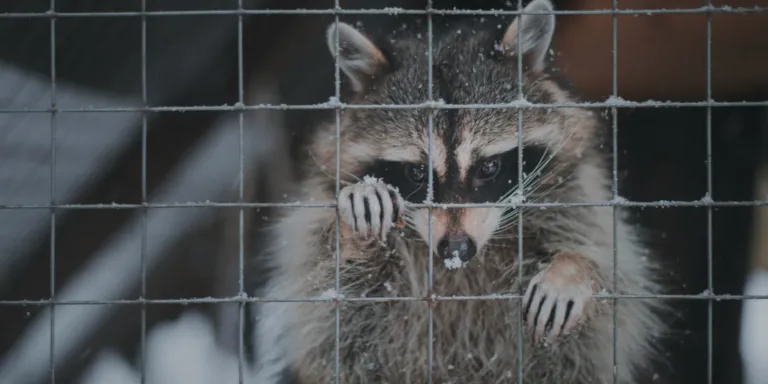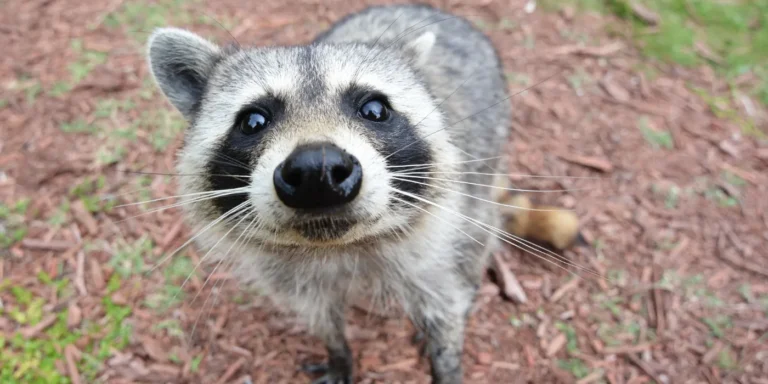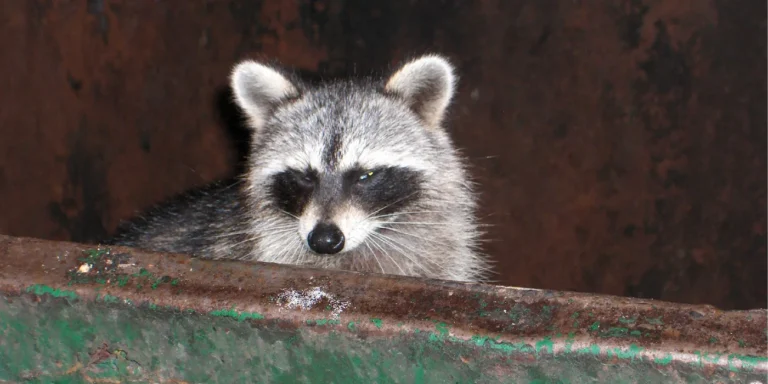
Raccoons have plenty of natural predators. Coyotes, great horned owls, bobcats, red-tailed hawks, and in Florida even alligators all take raccoons regularly. The reason your neighborhood raccoon population doesn’t seem affected by any of this is simpler than it might appear: most of those predators don’t live where raccoons have learned to thrive.
Raccoons have few natural enemies left in suburban areas. Their historical predators, including panthers and red wolves, have largely disappeared from populated regions. Coyotes prey on raccoons but remain uncommon in exactly the suburban zones where raccoons do best. What’s left is a prey species that has brilliantly adapted to human environments without the predator pressure that would normally regulate its population.
That’s the actual reason raccoons are everywhere in your neighborhood, and understanding it changes how you think about the problem.
The Predators That Actually Eat Raccoons
Great horned owls are the most significant avian predator of raccoons in North America. With a wingspan up to five feet and a grip that applies roughly 28 pounds of pressure, they hunt at night — the same hours raccoons are most active — and take juveniles readily and occasionally adults.
We’ve written about attracting owls to yards, and this is one reason the ecological argument for supporting owl populations is so direct: they’re doing regulatory work on the animals that cause the most conflict with humans.
The biggest threat to owls in suburban areas, incidentally, is secondary poisoning from rodenticides. Rat poison travels up the food chain through raccoons, mice, and voles to the predators that eat them.
Coyotes are probably the most ecologically significant raccoon predator in terms of sheer impact on population size. They hunt raccoons in both rural and suburban areas, and research consistently finds that raccoon populations are higher in areas with reduced coyote presence.
The relationship runs in both directions: raccoons avoid areas where they smell or encounter coyotes, which shifts their foraging behavior even when they aren’t directly preyed upon. We’ve written about coyotes and the data around them — they’re one of the more misunderstood animals in suburban ecology, and their role in managing raccoon and rabbit populations is a real ecological service that rarely gets acknowledged.
Bobcats take raccoons primarily through ambush in wooded and rural areas. They’re capable of killing adults but more consistently prey on juveniles, particularly in the first year when young raccoons are still developing their own predator awareness.
Bobcats are rarely present in dense suburban environments, which means their impact is largely limited to rural edges and exurban zones. The risk profile of bobcats to humans is vanishingly low, and they function quietly as part of a predator community that helps regulate mid-sized mammals.
Red-tailed hawks and other raptors take juvenile raccoons opportunistically, particularly in spring when kits first begin exploring away from the den. Adult raccoons are too large and heavy for most hawk species to handle. Hawks are primarily relevant as predators of the most vulnerable cohort: young animals that haven’t yet developed the wariness of adults.
Foxes occupy a more complicated position in the raccoon predator list than most sources suggest. Adult raccoons and red foxes are similar in size, and direct predation of healthy adult raccoons by foxes is uncommon. Foxes are more likely to take very young kits, and the relationship between the two species is as much competitive as predatory, they use similar habitat, similar denning sites, and similar food sources.
Alligators are relevant in the Southeast, particularly Florida, where raccoons frequently forage near water. Large alligators over eight feet long are important raccoon predators near water sources, and their presence near bird rookeries limits raccoon nest predation.
This is one of the more underappreciated ecological relationships in southern states. Alligators are doing work on raccoon populations, and that benefits nesting birds, which is a ripple effect most people never consider.
Read next: How to Get Rid of Raccoons Without Trapping (Trapping Backfires)
Why Suburban Raccoon Populations Are So Dense
The ecological answer to why raccoons are everywhere in your neighborhood is that the predator community that would normally regulate them has been eliminated or pushed out. Mountain lions, wolves, and panthers are long gone from populated areas.
Coyotes face active harassment and removal campaigns in suburban zones. Bobcats rarely venture into dense development. What remains is a prey species living in food-rich human environments with almost no meaningful predator pressure and access to shelter, water, and calories on every block.
This is worth understanding because it reframes what’s actually happening when raccoons get into your trash or den under your deck. They’re not particularly bold or aggressive animals. They’re simply responding rationally to an environment with unlimited food and no predators, which is an unusual ecological situation that humans created and continue to maintain.
The practical implication is that trapping and relocating individual raccoons rarely produces lasting results. As we’ve written before, the drivers of raccoon abundance are structural: available food, available shelter, and reduced predator pressure. Removing one raccoon from a territory that still has all three of those things just invites the next one.
What This Means for Managing Raccoons in Your Yard
The most durable approaches address the food and shelter side of the equation rather than trying to remove individual animals. Securing your trash is the highest-impact single action: locking lids, storing bins inside until collection morning, eliminating accessible food sources including fallen fruit and pet food left outside. These changes reduce the attractiveness of your specific yard regardless of what the rest of the neighborhood does.
Blocking access to den sites under decks, porches, and crawl spaces with hardware cloth removes the shelter component. This is most effective done in late summer or fall, after juveniles have dispersed, rather than in spring when mothers may be present with kits.
Supporting the predator community that does operate in suburban areas also matters more than people generally recognize. Keeping outdoor lights off at night helps great horned owls hunt effectively.
Stopping rodenticide use keeps the secondary poisoning chain from eliminating the raptors that keep small mammal and juvenile raccoon populations in check. Making a yard that supports owls, hawks, and other raptors is a long-term investment in a functional predator-prey relationship that the suburban landscape has largely dismantled.
Raccoons are not a problem that will be solved by trapping. They’re a symptom of a food-rich, predator-poor environment, and the yard-level responses that actually work address those conditions directly.
Read More: Are Raccoons Dangerous? The Risks vs. The Myths
FAQ
Do raccoons have any natural predators left in suburban areas? Very few that operate with any regularity. Great horned owls take juvenile raccoons, and coyotes occasionally hunt them in suburban fringe areas. The larger predators that historically regulated raccoon populations, including mountain lions, wolves, and panthers, no longer exist in most populated regions.
Will coyotes keep raccoon populations down in my neighborhood? In areas where coyotes are present and not actively persecuted, they can suppress raccoon activity through both predation and avoidance behavior. Research has found higher raccoon densities in areas with reduced coyote populations. However, coyote presence in dense suburban areas varies considerably by region.
What should I do if I see a raccoon being hunted by a predator? Nothing. This is natural behavior and is generally over quickly. Interfering can disturb the predator and create habituation issues. Both raccoons and their predators are native wildlife operating in their ecological roles.
Do great horned owls really eat raccoons? Yes, primarily juveniles. Adult raccoons are at the upper end of what a great horned owl can carry, but kits and subadults are taken regularly. This is one reason supporting owl habitat in suburban areas has real pest-management implications.